A honeycomb mood tracker turns the plain job of logging how you feel into something you actually want to look at. Instead of a boring checklist, you fill in a cluster of hexagons with color, and over weeks the page slowly turns into a little mosaic of your emotional life.
Table of Contents
This guide walks through exactly how to draw the hexagon grid (even if you can’t draw a straight line), how to set up a color key, and how to fill it in every day so the habit actually sticks.
Quick Answer
To make a honeycomb mood tracker, draw or print a cluster of connected hexagons in your journal, assign a color to each mood you want to track (like calm, happy, anxious, or low), then color in one hexagon a day — or one per check-in — to match how you feel. Over time the filled-in hexagons form a colorful pattern that shows your emotional trends at a glance.
How to Draw the Honeycomb Grid
You don’t need to freehand perfect hexagons. The easiest route is a hexagon or isometric dot-grid notebook (widely available in bullet journal supplies), which already has the angles marked so you just connect the dots. If you’re working in a plain or standard grid notebook, print a hexagon grid template from a printable-planner site and either trace it through the page or use it as a stencil.
If you’d rather draw freehand, start with one hexagon in the center and build outward: draw the center shape, then add six more hexagons around it so each one shares a full edge with its neighbor, like a honeycomb. Seven hexagons (one center, six surrounding) makes a neat little ‘flower’ cluster that’s a popular size for a single week or month. For a bigger tracker that covers a full month, extend the grid into rows, offsetting every other row so the hexagons interlock — the same way real honeycomb tiles.
A ruler and a hexagon stencil or a coin/small round object to space points evenly will keep the lines cleaner if precision matters to you. If it doesn’t, slightly wobbly hexagons still work fine — the point of the tracker is the color pattern, not geometric perfection.
How to Fill It In
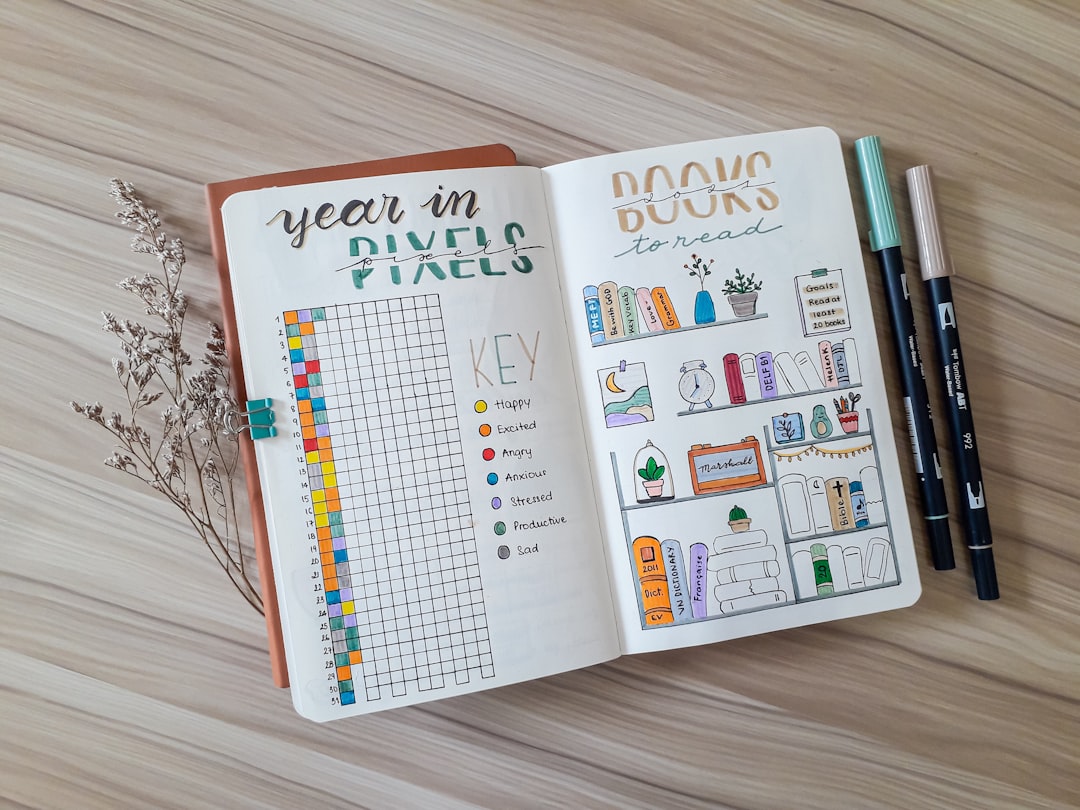
Before you color anything, decide what you’re tracking. Keep it simple at first — four or five moods is plenty, for example happy, calm, anxious, sad, and angry (or a low-to-high energy scale if you’d rather track intensity than named emotions). Assign each mood its own color and write that key somewhere on the page or in the front of your journal so you don’t forget it.
Each day, pick the color that matches your predominant mood and fill in one hexagon. If you want more granularity, divide a single hexagon into two or three colored sections to capture how your mood shifted through the day (morning/afternoon/evening), or fill a small cluster of hexagons across the day at set check-in times instead of just one shape.
Work through the grid in whatever order feels natural — in a spiral out from the center, row by row, or in the order the hexagons happen to sit on the page. There’s no wrong way; consistency matters more than the pattern. Keep a pen with you (or set a daily reminder) so filling in the tracker becomes a quick end-of-day habit rather than something you have to catch up on a week later.
Tips and Common Mistakes
Don’t start with too many mood categories — more than five or six colors gets hard to read at a glance and hard to remember which color means what. You can always add more nuance later once the basic habit is in place.
Pick colors that are visually distinct, especially if you’re using markers or colored pencils that can look similar once dry. A quick test swatch on scrap paper before you commit to a key saves frustration later.
Don’t skip days and try to ‘fill in from memory’ a week later — mood trackers are only useful if the entries are close to real-time. If you miss a day, it’s fine to leave it blank or mark it as ‘no entry’ rather than guessing.
Revisit the finished grid periodically (weekly or monthly) rather than only filling it in and moving on. The value of the honeycomb format is the pattern that emerges once enough hexagons are colored in — that’s when you start noticing things like more anxious days midweek or a mood dip tied to poor sleep.
Explore more: more mental health tools and trackers.
Honeycomb mood tracker FAQs
Do I need special paper to make a honeycomb mood tracker?
No. A hexagon or isometric dot-grid notebook makes it easiest, but you can also print a free hexagon grid template and trace it, or draw the shapes freehand in any notebook.
How many moods should I track?
Start with four to six categories (for example happy, calm, anxious, sad, angry, or a simple low-to-high mood scale). Too many colors makes the key hard to remember and the finished grid harder to read.
How often should I fill in a hexagon?
Once a day is the most common approach and the easiest to sustain. If you want more detail, divide each hexagon into sections for different times of day, or fill in a small cluster of hexagons at set check-in points.
Skip the Spreadsheet — Track It in ZenDuel
Habit streaks, mood tracking, and accountability duels in one free app — no template maintenance required. Get ZenDuel.
Want a calmer inbox? Subscribe to the free newsletter.
Photo by Ngo Ngoc Khai Huyen on Unsplash.
