If you’re hungry again an hour after breakfast, the problem usually isn’t willpower — it’s that the meal was mostly carbs and not enough protein. A breakfast built around sugary cereal, toast, or a plain bagel spikes blood sugar fast and lets it crash just as fast, leaving you hungry and reaching for a snack well before lunch.
Table of Contents
This guide covers what actually counts as a high-protein breakfast, easy ways to hit that mark using foods you probably already have, and a handful of no-cook and make-ahead options for busy mornings — plus the mistakes that quietly sabotage a good breakfast.
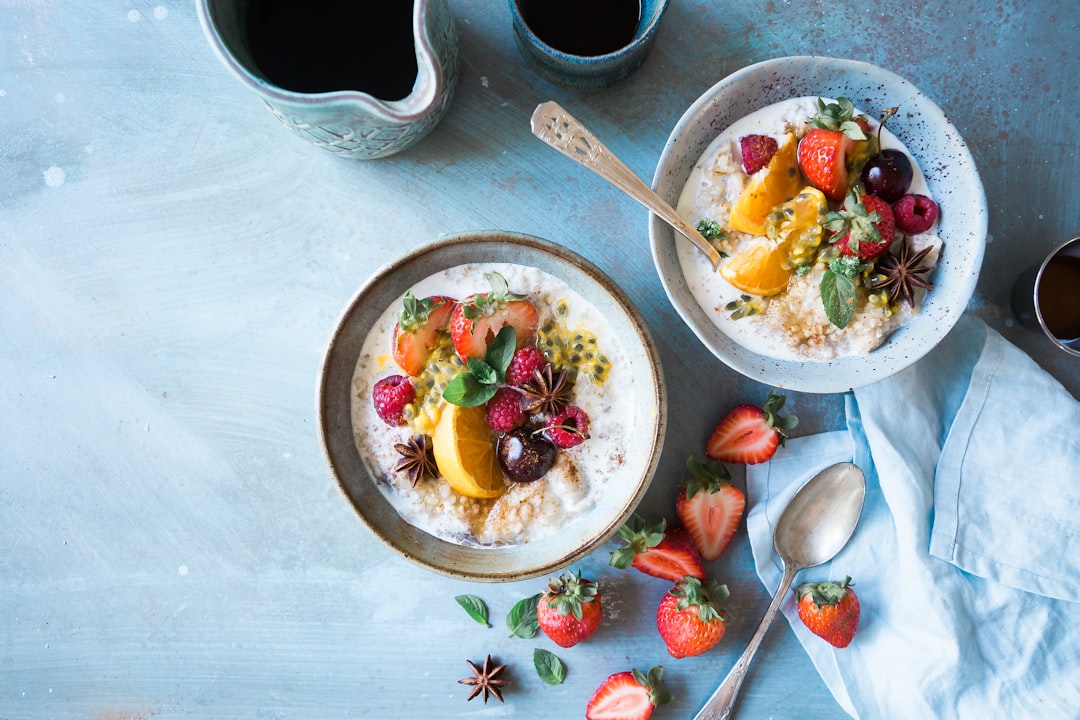
Quick Answer
Aim for roughly 20 to 30 grams of protein at breakfast — about the amount in 3 eggs, a cup of Greek yogurt, or a cup of cottage cheese — paired with some fiber (fruit, vegetables, or whole grains) and a little fat. That combination digests slowly, blunts the blood sugar spike from any carbs on the plate, and keeps hunger in check for several hours instead of one.
How Much Protein Do You Actually Need at Breakfast?
Most breakfasts fall short on protein — a bowl of cereal or a plain muffin might have 3 to 6 grams, nowhere near enough to trigger real fullness. Dietitians commonly point to a range of about 20 to 30 grams of protein per meal as a useful target for adults who want steadier hunger control through the morning; very active people or those focused on muscle maintenance may aim toward the higher end of that range.
You don’t need a protein shake to get there. A three-egg scramble, a cup of plain Greek yogurt, a cup of low-fat cottage cheese, or a couple of slices of turkey bacon alongside eggs will all land in or near that zone using whole foods alone.
High-Protein Breakfast Ideas, From Fastest to Most Filling
No-cook, under 2 minutes: Plain Greek yogurt topped with berries and a spoonful of nut butter or a handful of nuts; cottage cheese with sliced fruit and a drizzle of honey; a protein smoothie made with Greek yogurt or milk, a scoop of protein powder, frozen fruit, and a spoonful of peanut butter.
Grab-and-go, prepped ahead: Overnight oats made with milk (or a high-protein milk alternative) and Greek yogurt stirred in, topped with chia seeds and fruit; hard-boiled eggs paired with a piece of fruit and a string cheese; make-ahead egg muffins baked in a muffin tin with eggs, chopped vegetables, and a little cheese, then reheated through the week.
Worth the extra five minutes: A veggie-and-egg scramble with three eggs, spinach, peppers, and a sprinkle of cheese; smoked salmon or turkey on whole-grain toast with a schmear of cottage cheese or cream cheese; a breakfast burrito with scrambled eggs, black beans, and a little cheese wrapped in a whole-wheat tortilla — beans add fiber and extra protein on top of the eggs.
For non-dairy or vegan eaters: Tofu scramble seasoned with turmeric and nutritional yeast, silken tofu blended into a smoothie, or a bowl of oats or quinoa topped with nut butter, chia seeds, and hemp seeds — pairing plant proteins like beans, tofu, and nuts together helps you reach a similar protein total to an egg-and-dairy breakfast.
Tips and Common Mistakes
Don’t rely on carbs alone to feel full. Toast, granola, and fruit feel like “breakfast,” but without a protein source they digest quickly and leave you hungry well before lunch — add eggs, yogurt, or cottage cheese alongside them rather than instead of a protein source.
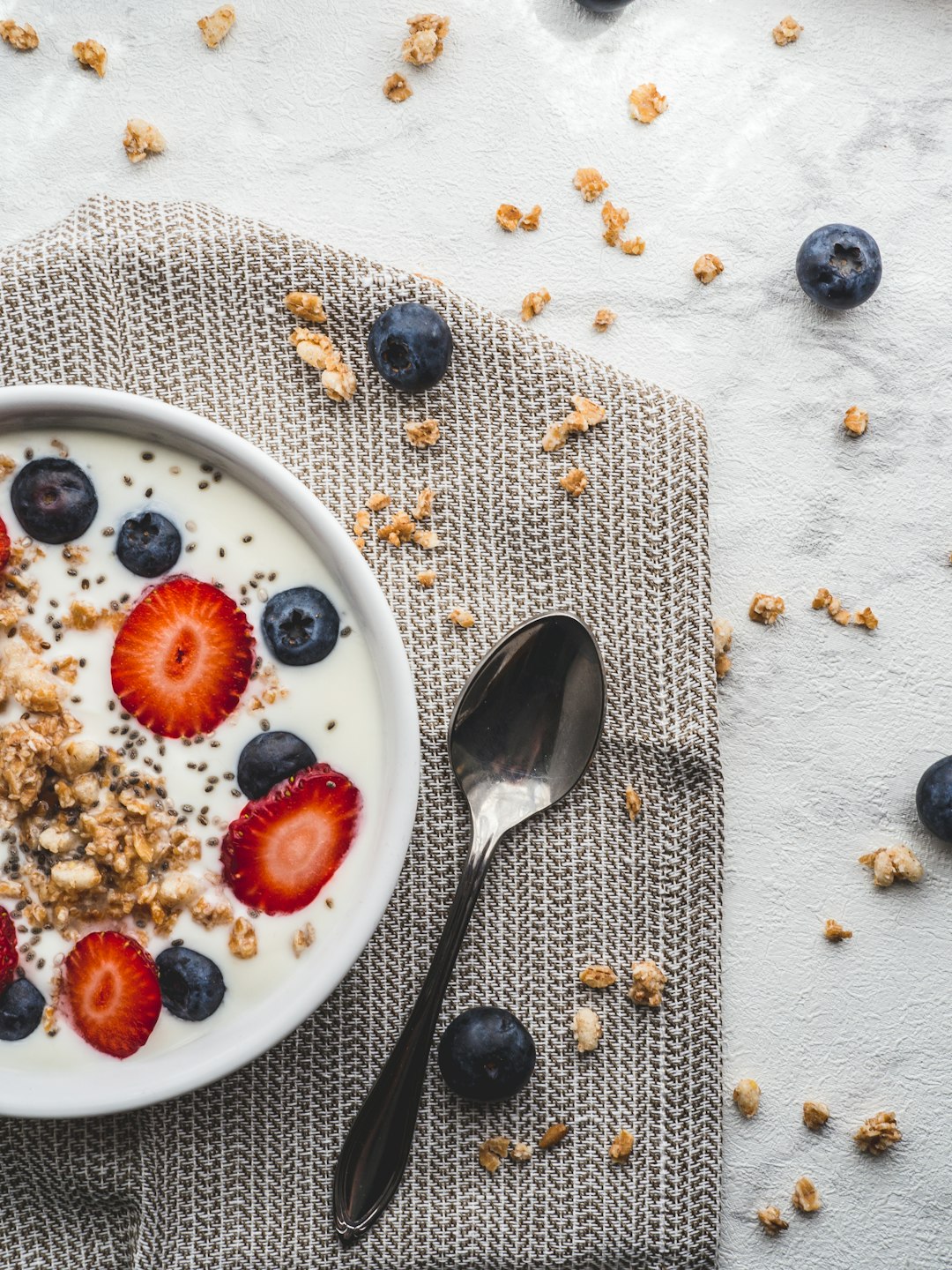
Watch flavored yogurt and granola. Many flavored Greek yogurts and most granolas carry a fair amount of added sugar, which works against the steady-energy goal — choose plain yogurt and add your own fruit, and check the label on granola or buy a lower-sugar version.
Prep protein in batches. Hard-boil a dozen eggs, bake a tray of egg muffins, or portion out Greek yogurt and cottage cheese into containers on a Sunday so a high-protein option is grab-and-go on weekday mornings.
Balance protein with fiber and fat. Protein alone still leaves room for a blood sugar swing if the rest of the meal is refined carbs — pairing it with fruit, vegetables, whole grains, or nuts and seeds makes the fullness last longer.
If you use protein powder, treat it as a backup, not the base. Whole foods bring vitamins, minerals, and fiber that isolated protein powder doesn’t — save the shake for mornings when you’re truly out of time.
Explore more: more wellness guides.
High-Protein Breakfasts FAQs
What is the best high-protein breakfast for weight loss?
Options built around eggs, Greek yogurt, or cottage cheese tend to work well because they’re high in protein relative to their calories and pair easily with fiber-rich fruit or vegetables, which together support fullness on a calorie-controlled plan.
Can I get enough protein at breakfast without eating dairy or eggs?
Yes. Tofu scrambles, protein smoothies made with plant-based protein powder, oats topped with nut butter and chia or hemp seeds, and legumes like black beans can add up to a similar protein total when combined in one meal.
Is it bad to eat the same high-protein breakfast every day?
Not inherently — consistency can make it easier to hit your protein target and simplify mornings. Rotating a few go-to options is mainly useful for variety in nutrients and to avoid getting bored, not because repetition itself is a problem.
Do high-protein breakfasts actually improve focus?
The clearest, most consistent finding is that a high-protein breakfast blunts hunger better than a low-protein, high-carb one, so you’re less likely to be distracted by a growling stomach or an energy crash by mid-morning. Whether protein specifically boosts concentration or mental performance is less settled — some individual studies report a modest edge for high-protein breakfasts over skipping breakfast, but findings on breakfast composition and cognition are mixed across the research, so it’s fair to expect steadier energy and fewer hunger-driven distractions rather than a guaranteed cognitive boost.
Build Better Habits With ZenDuel
Track your habits and mood, stay accountable, and build a calmer routine — get the ZenDuel app. Get ZenDuel.
Want a calmer inbox? Subscribe to the free newsletter.
Photo by Brooke Lark on Unsplash.