Getting a child to sit still and “just breathe” sounds simple until you actually try it. Kids fidget, giggle, ask questions mid-exercise, and lose interest after ninety seconds — and that’s completely normal. The good news is you don’t need a formal course or a silent room to teach meditation to kids; you need short, playful exercises matched to their age and a willingness to let it be messy.
Table of Contents
This guide walks through why meditation helps kids, exactly how to introduce it by age group, and the small mistakes that make parents give up too soon.

Quick Answer
Start small: pick one simple technique (like belly breathing with a stuffed animal), keep the first sessions to 1-3 minutes, do it at a consistent time like before bed or after school, and let your child’s age and mood guide how playful or structured it is. Consistency matters more than length.
Why Bother Teaching Kids to Meditate
According to the Child Mind Institute, mindfulness practice can help kids focus better, manage impulsive behavior, and regulate difficult emotions — and it tends to help most the kids who struggle most with self-regulation, including many with ADHD or anxiety. Regular practice has also been linked to better sleep and reduced test anxiety.
You’re not trying to raise a tiny monk. The goal is giving your child a tool they can reach for when they’re overwhelmed, frustrated, or wound up — a few breaths that help them come back to themselves instead of spiraling.
Step-by-Step: How to Introduce Meditation by Age
Ages 3-5 (preschool): Skip anything that sounds like “meditation” — use games instead. Try “teddy bear breathing”: have your child lie down with a stuffed animal on their belly and watch it rise and fall as they breathe. Or try “bubble breathing”: take a slow breath in, then breathe out slowly as if gently blowing a bubble without popping it. Keep it to one or two minutes and stop the moment they lose interest — there’s no failing at this age.
Ages 6-9 (early elementary): Kids this age can follow simple instructions and short body-awareness exercises. Try a mini body scan: ask them to notice their feet on the floor, then their hands in their lap, then their breath, moving attention slowly upward. Another favorite is “five-finger starfish breathing” — trace up and down each finger of one hand with the other, breathing in while tracing up and out while tracing down. Sessions of 3-5 minutes work well, ideally at a predictable moment like right after school or before bed.
Ages 10-12 (tweens): Kids this age can handle slightly longer sessions (5-10 minutes) and can start naming emotions during practice — for example, noticing “I feel nervous” and locating where that shows up in the body. A simple counting breath works well here: inhale through the nose, and on the exhale count down from a number like five to one, one number per breath.
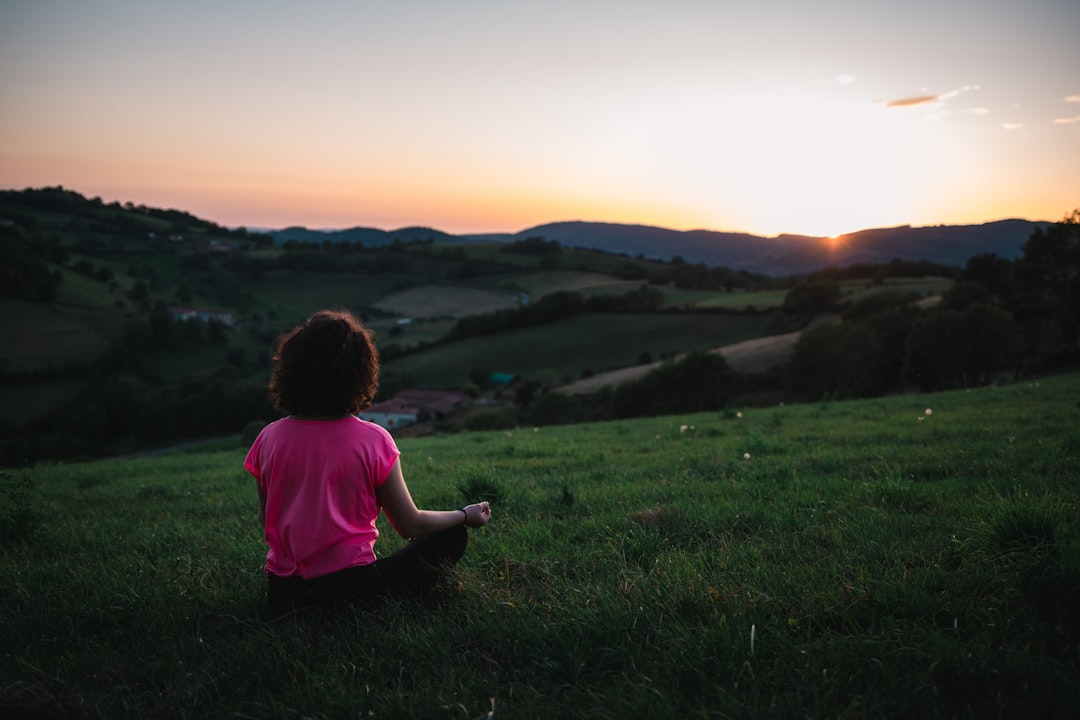
Teens: Teens can generally follow adult-style guided meditations, including body scans, loving-kindness exercises, or a “safe place” visualization where they picture somewhere calming in vivid sensory detail. Framing matters more than technique at this age — call it “a way to reset” or “mental training,” not something babyish, and let them choose whether to do it with you or on their own with an app or recording.
How to Actually Run a Session
Set a consistent time and place. Right after school, right before dinner, or as part of the bedtime routine all work — consistency does more than duration.
Start absurdly short. One to three minutes for younger kids, five for tweens, is plenty at first. You can lengthen sessions gradually once your child can comfortably finish one without fidgeting out.
Use their language, not yours. Instead of “clear your mind,” try “let’s see how quiet we can make our bodies” or “let’s pretend we’re a still pond.” Concrete, sensory images land better than abstract instructions.
Let their attention wander — and say so in advance. Tell your child ahead of time that it’s completely fine if their mind drifts off, and that meditation is just gently bringing attention back each time it wanders. This removes the pressure to “do it right” and prevents frustration.
Model it yourself. Kids are far more likely to try meditation if they see a parent doing it too, even briefly, rather than being told to do it alone.
Tips and Common Mistakes
Don’t force it in the moment of a meltdown. Meditation is a skill best practiced when a child is calm, so it becomes available to them later when they’re upset — trying to introduce it mid-tantrum usually backfires.
Don’t aim for stillness and silence as the goal. Especially with younger kids, movement-based practices (like a slow “listening walk” outside, noticing every sound) count as mindfulness too.
Don’t stretch sessions too long too fast. A restless, bored kid learns to dread meditation. Keep sessions short enough that your child finishes wanting a little more, not less.
Don’t skip it if the first few tries flop. Like any skill, it takes repetition. A giggly, wiggly first session is normal and doesn’t mean the approach isn’t working.
Do use guided audio or apps for backup. On days when you don’t have a script in your head, a short kid-specific guided recording can carry the session for you.
Explore more: more meditation guides.
Teaching meditation to kids FAQs
What age can kids start meditating?
Most experts say kids can start as young as 3 or 4 with very short, playful breathing games. Formal seated meditation becomes easier to sustain around age 6-7, and by the tween and teen years kids can often follow adult-style guided practices.
How long should a kid’s meditation session be?
Start with 1-3 minutes for young children and 5-10 minutes for tweens and teens. It’s better to end a session while your child is still engaged than to push past their attention span.
What if my child won’t sit still or takes it as a joke?
That’s normal, especially at first. Lean into movement-based or game-like versions (breathing with a stuffed animal, a slow listening walk) rather than insisting on stillness, and keep sessions short enough that fidgeting doesn’t have time to take over.
Can meditation help with a specific issue like anxiety or trouble focusing?
Mindfulness practice has been associated with better focus, improved emotional regulation, and reduced anxiety in children, and it can be especially helpful for kids with ADHD or anxiety, though it works best as one tool alongside other support, not a stand-alone fix.
Build Better Habits With ZenDuel
Track your habits and mood, stay accountable, and build a calmer routine — get the ZenDuel app. Get ZenDuel.
Want a calmer inbox? Subscribe to the free newsletter.
Photo by Jared Rice on Unsplash.