There’s no single “correct” way to sit for meditation — the goal is a posture that keeps your spine naturally upright and your body relaxed enough to sit still without fidgeting or falling asleep. Chair, floor, and even lying down can all work, depending on your flexibility, your space, and what you’re using the session for.
Table of Contents
This guide walks through the main options, how to set each one up properly, and which one to pick based on your body and goals, so you can stop worrying about “doing it right” and just sit.
Quick Answer
For most beginners, sitting in a chair with feet flat on the floor is the easiest and most sustainable position — it supports the spine without demanding hip flexibility. If you want a traditional floor posture, the Burmese position (legs crossed, both feet flat on the floor in front of you rather than stacked) is the most accessible cross-legged option. Lying down works for body scans and relaxation practices, but it’s easy to doze off, so it’s not ideal when the goal is alert, focused attention.
Chair Meditation: The Low-Effort, High-Reliability Option
Sit toward the front edge of the chair so your back isn’t leaning on the backrest, with feet flat on the floor and knees roughly level with or slightly below your hips. Let your spine stack naturally upright, rest your hands on your thighs or in your lap, and soften your shoulders away from your ears. If your feet don’t reach the floor comfortably, a folded blanket or low block under them helps stabilize your base.
A chair is the right call if you have knee, hip, or lower-back issues, if you meditate at a desk or in an office, or if you’re just starting out and don’t want posture to be one more thing to think about. It’s also the most practical option for longer sits, since it removes the leg-numbness problem that trips up a lot of floor sitters.
Floor Positions: Burmese, Half Lotus, and Simple Cross-Legged
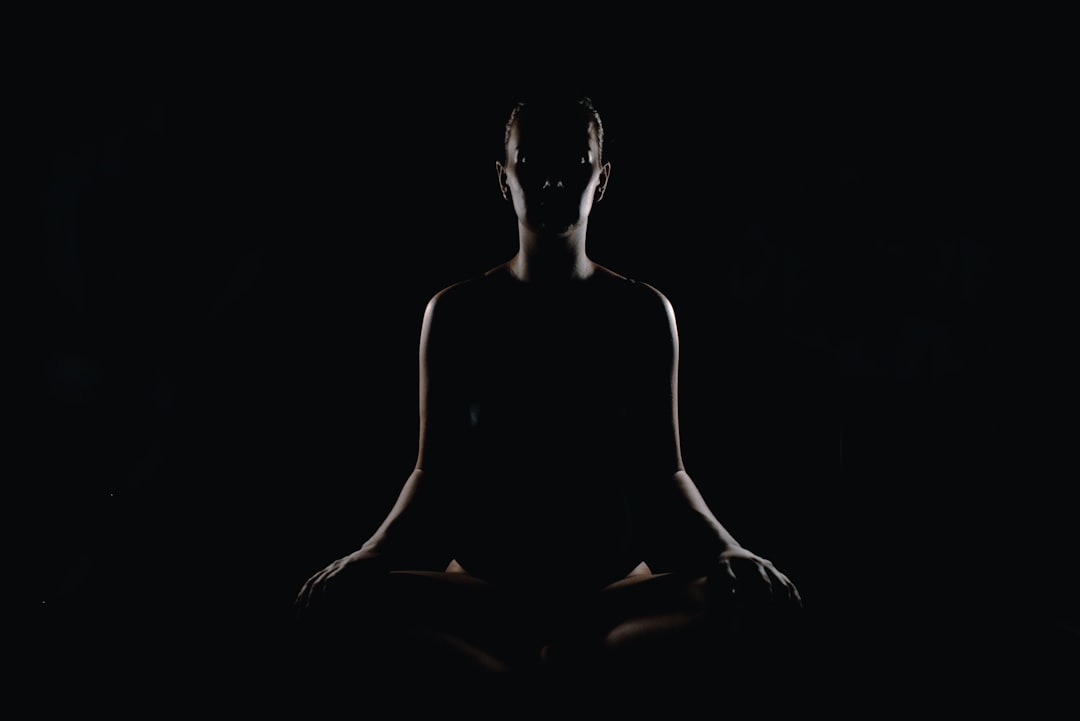
On the floor, the key mechanical fix is getting your hips higher than your knees. Sitting flat on the ground tips the pelvis backward and rounds the lower back, which is why a cushion (a zafu, a firm pillow, or a folded blanket) under your sitting bones makes such a big difference — it tilts the hips forward and lets the spine stack upright with far less muscular effort.
The Burmese position — both legs crossed in front of you with each foot resting flat on the floor rather than on top of the opposite thigh — is generally the most comfortable and accessible cross-legged posture, and it’s a reasonable default for people without prior flexibility training. Half lotus (one foot resting on the opposite thigh, the other tucked beneath) gives a bit more stability and is a step up for people who’ve built some hip mobility. Full lotus demands significant hip flexibility and isn’t worth forcing; sitting into it before your body is ready tends to create the same strain in the knees and lower back that good posture is supposed to avoid. A simple cross-legged “easy pose” also works fine for shorter sits — it’s just less stable for very long ones.
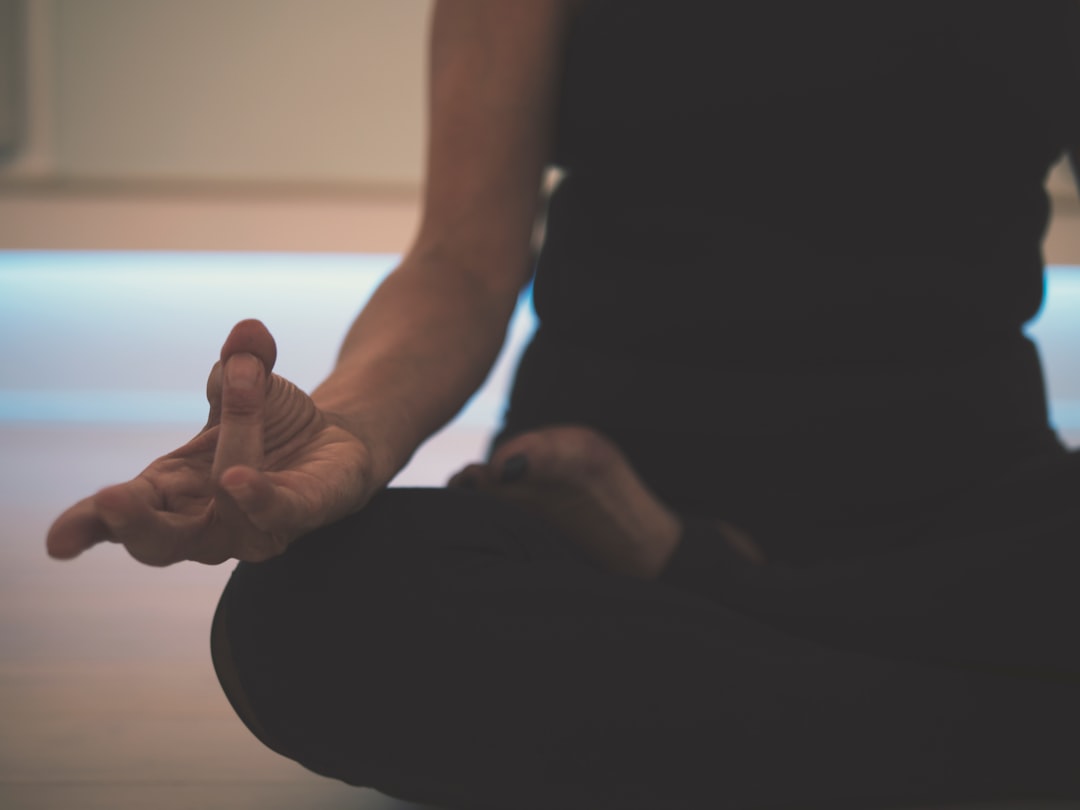
In any floor posture, let your hands rest on your knees or in your lap, keep your chin very slightly tucked so the head balances over the spine instead of jutting forward, and relax your jaw and shoulders. If your knees hover uncomfortably far off the ground, prop them with small cushions rather than forcing them down.
Lying Down: When It Works and When It Doesn’t
Lying on your back — arms by your sides, palms up, legs relaxed and slightly apart, similar to yoga’s savasana — is a legitimate meditation posture, especially for body scans, progressive relaxation, or practices aimed at winding down before sleep. It removes any physical strain entirely, which makes it a good option if you have chronic pain or are recovering from illness and floor or chair sitting is genuinely uncomfortable.
If you’re pregnant, be careful with this position: lying flat on your back for extended periods becomes a concern as pregnancy progresses, generally from around the midpoint on, since the weight of the uterus can compress major blood vessels and cause dizziness, nausea, or lightheadedness. A safer variation is to lie on your left side with a pillow between your knees and one supporting your belly, or to meditate reclined at an incline (propped up on cushions) rather than fully flat. When in doubt, a supported seated position is the simplest safe choice throughout pregnancy.
The other tradeoff with lying down is alertness: it cues your body for sleep, so it’s easy to drift off partway through, especially if you’re tired or new to meditating. If your goal is focused, wakeful attention rather than relaxation, sit instead. If you do lie down, keeping the room a bit cooler or meditating earlier in the day can help you stay conscious through the session.
Tips and Common Mistakes
Don’t force flexibility you don’t have. Straining into a cross-legged position your hips aren’t ready for creates the same tension and poor alignment that good posture is meant to avoid — a chair or a cushioned Burmese position will serve you better than a forced lotus.
Prioritize a stable base over a “traditional” look. If your hips are higher than your knees (via a cushion) and your spine can stack upright without your muscles fighting gravity, you’re set — the specific leg arrangement matters far less than that foundation.
Watch for slumping as the session goes on. It’s normal for posture to soften after a few minutes; a light mental check-in partway through to re-lift through the crown of the head fixes this without turning it into a rigid, effortful hold.
Match the position to the practice, not the other way around. Use a chair or floor posture for focused-attention practices, and save lying down for body scans or relaxation work where drifting toward sleep isn’t a problem.
Explore more: more meditation guides.
Meditation sitting positions FAQs
Do I need to sit cross-legged on the floor to meditate properly?
No. A chair with feet flat on the floor and an upright spine works just as well as any floor posture. Traditional cross-legged positions are common in meditation lineages, but they aren’t a requirement for an effective practice.
Is it bad to meditate lying down?
It’s not bad, but it makes staying alert harder because lying down signals your body to relax toward sleep. It’s a good fit for body scans or pre-sleep relaxation, but less ideal when you want focused, wakeful attention.
Is it safe to meditate lying flat on your back during pregnancy?
Not for extended periods once pregnancy is further along, generally from around the midpoint on — lying fully flat can compress blood vessels under the weight of the uterus and cause dizziness or lightheadedness. Meditate lying on your left side with a pillow for support, propped up at an incline, or in a supported chair position instead, and check with your provider about what’s appropriate for your pregnancy.
Why do my legs fall asleep when I sit on the floor to meditate?
This is usually a hip-height problem rather than a circulation problem. Sitting on a cushion so your hips are higher than your knees takes pressure off the legs and reduces numbness; if it persists, switch to a chair.
What should I do with my hands while meditating?
Any relaxed, symmetrical position works — palms down on your thighs, palms up in your lap, or one hand resting in the other. Specific hand positions (mudras) aren’t required for the posture to be effective.
How long should I hold a meditation posture before switching positions?
There’s no fixed rule — many people sit for 10 to 20 minutes as a starting point. If pain or numbness pulls your attention away from the practice, it’s fine to adjust position rather than push through discomfort.
Build Better Habits With ZenDuel
Track your habits and mood, stay accountable, and build a calmer routine — get the ZenDuel app. Get ZenDuel.
Want a calmer inbox? Subscribe to the free newsletter.
Photo by JD Mason on Unsplash.