Some days the gym feels impossible, but total inactivity leaves you feeling stiffer and more sluggish by evening. The good news is you don’t have to choose between an all-out session and the couch. A short list of low-intensity workouts can raise blood flow, ease muscle tension, and lift your mood, using only a fraction of the effort a normal workout demands.
Table of Contents
This guide walks through what counts as truly low-intensity, which activities work best when energy is low, and how to tell the difference between a day that calls for gentle movement and a day that calls for real rest.
Quick Answer
On days you’re too tired for a full workout, choose gentle, low-impact movement such as a slow walk, restorative yoga, easy stationary cycling, light swimming, or foam rolling and stretching. Keep the session short, around 15 to 30 minutes, and aim for an effort level that feels easy and refreshing rather than tiring — you should feel better afterward, not more drained.
Best Low-Intensity Options When You’re Running on Empty
A slow walk is the most accessible option and one of the most effective. Walking at an easy, conversational pace increases circulation and helps clear metabolic waste from tired muscles without adding new stress. Ten to twenty minutes outside, ideally somewhere with greenery, tends to do double duty for both body and mood.
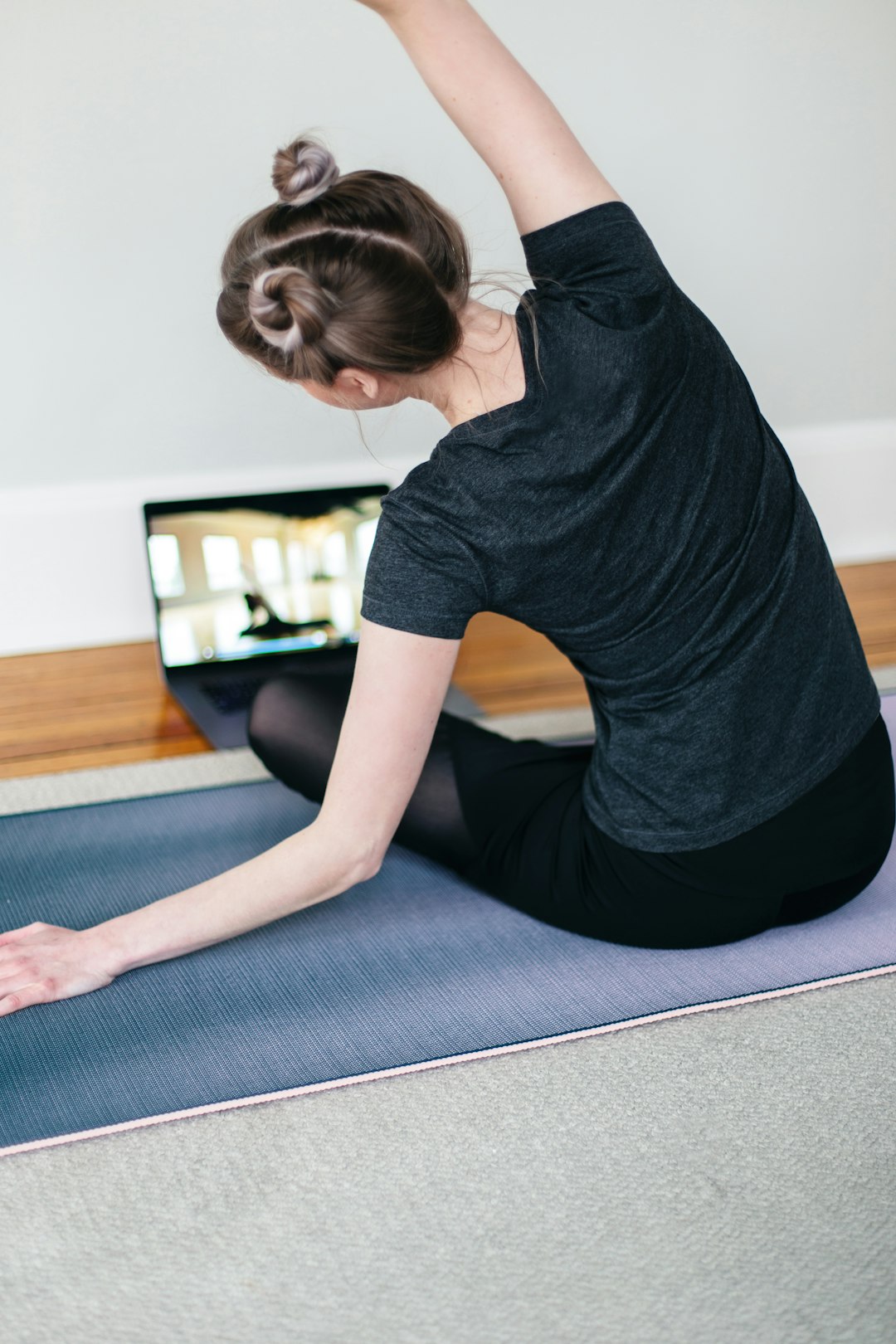
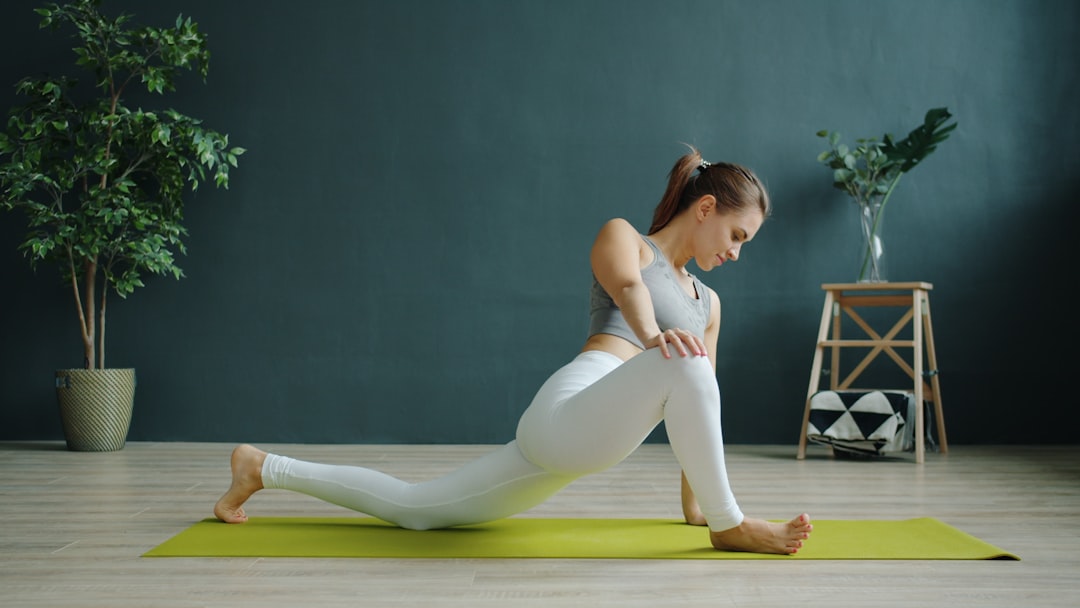
Restorative or gentle yoga is another strong choice. Slow stretches held for longer periods relax tight muscles, improve mobility, and calm the nervous system, which is often exactly what’s needed after a mentally or physically draining day. You don’t need a class; ten minutes of hip openers, cat-cow, and a supported forward fold covers most of what your body is asking for.
Easy cycling, whether outdoors on flat terrain or on a stationary bike at low resistance, keeps the legs moving without impact. Swimming or simply moving through water at an unhurried pace works similarly, and the buoyancy takes pressure off sore joints.
Foam rolling and self-myofascial release are useful when you want to address specific soreness without raising your heart rate at all. Rolling out the calves, quads, and upper back for five to ten minutes can loosen knots and reduce next-day stiffness.
Mobility drills and light stretching, such as ankle circles, gentle spinal twists, and shoulder rolls, are worth doing even on days when a walk feels like too much. A few minutes of deliberate movement still beats a day of complete stillness for keeping joints limber.
Deep breathing or a short meditation session isn’t a workout, but pairing five minutes of slow breathing with any of the movements above helps shift your body out of a stressed state and into recovery mode, which is often the real bottleneck when fatigue is more mental than physical.
How to Fit It Into an Exhausted Day
Keep the session short. Fifteen to thirty minutes is enough to get the benefits of movement without turning it into another draining obligation. Longer isn’t better here — the goal is circulation and mobility, not conditioning.
Use a simple gut check: if you finish feeling looser and a bit more energized, the intensity was right. If you finish feeling more tired, worn out, or sore, scale it back next time or skip to full rest.
Lower the bar on “exercise.” A walk to get the mail, five minutes of stretching before bed, or rolling out your legs while watching TV all count. On genuinely exhausted days, consistency of small movement matters more than hitting a formal workout.
Match the activity to how the fatigue shows up. If your legs are sore from a hard workout the day before, walking or easy cycling helps flush them out. If you’re mentally fried but physically fine, gentle yoga or a slow walk outside tends to help more than anything gym-based.
Tips and Common Mistakes
Don’t confuse a low-intensity day with an excuse to push through a normal workout at a slower pace with the same volume — cut the exercises and sets down too, not just the speed.
Avoid high-impact or complex movements when you’re fatigued, since coordination and balance often dip along with energy, raising injury risk on anything that demands sharp focus.
Skip the all-or-nothing trap. Skipping movement entirely on tired days, then trying to make up for it with a harder session later, tends to compound fatigue rather than resolve it.
Listen for the difference between muscle fatigue and illness or overtraining. Persistent exhaustion that doesn’t improve with rest and light movement over several days is a signal to scale back further and consider talking to a doctor, not push through with any workout.
Explore more: More wellness guides.
Low-intensity workouts for tired days FAQs
Is it better to skip exercise entirely when I’m too tired?
Usually not. Complete inactivity often leaves muscles stiffer and energy lower by the next day. A short, gentle session like a walk or stretching is typically better than doing nothing, unless you’re dealing with illness or genuine overtraining, in which case full rest is the right call.
How long should a low-intensity workout be on a tired day?
Around 15 to 30 minutes is enough. The goal is to boost circulation and ease stiffness, not to build fitness, so there’s no benefit to extending it further when energy is already low.
What’s the difference between active recovery and a low-intensity workout?
They overlap heavily. Active recovery specifically refers to easy movement done after a hard training session to help muscles recover, while a low-intensity workout on a tired day is more about working with whatever energy you have that day. The activities used — walking, easy cycling, gentle yoga — are largely the same.
Can low-intensity exercise help with fatigue itself, not just muscle soreness?
Yes. Light aerobic movement and time outdoors are commonly linked to improved mood and reduced perceived fatigue, likely through increased blood flow and lower stress hormone levels, even when the exercise itself is very easy.
Build Better Habits With ZenDuel
Track your habits and mood, stay accountable, and build a calmer routine — get the ZenDuel app. Get ZenDuel.
Photo: Deedee Run / CC BY 4.0, via Wikimedia Commons.
