As daylight hours shrink in fall and winter, it’s common to notice your energy dip, your motivation fade, and your mood follow suit. For some people this is mild; for others it meets the criteria for seasonal affective disorder (SAD), a form of depression that follows a seasonal pattern. Medication is one option, but it isn’t the only one — several non-drug approaches have real evidence behind them.
Table of Contents
This guide walks through the strategies clinicians most often recommend before or alongside medication: light exposure, movement, sleep and routine adjustments, talk therapy, and social connection — plus how to tell when it’s time to bring in a professional.
Quick Answer
The best-supported non-medication approaches for seasonal mood changes are daily bright light exposure (natural or via a light box, ideally soon after waking), regular outdoor exercise, a consistent sleep-wake schedule, and cognitive behavioral therapy adapted for SAD (CBT-SAD). Most people do best combining two or more of these rather than relying on just one.
Light Exposure: The First Thing to Try
Light therapy is the most studied non-drug treatment for winter-pattern SAD. The standard approach uses a light box that delivers around 10,000 lux, positioned roughly 16 to 24 inches from your face — check the manufacturer’s instructions, since ideal distance varies by device — for about 20 to 30 minutes each morning, ideally within the first hour of waking, since morning light does the most to reset your body’s internal clock. Look for a box marketed specifically for SAD/light therapy that filters out UV light; you don’t stare directly at it, just have it in your field of view while you read, eat breakfast, or work. Sitting too far away weakens the effect, while sitting too close can cause eye strain or headaches.
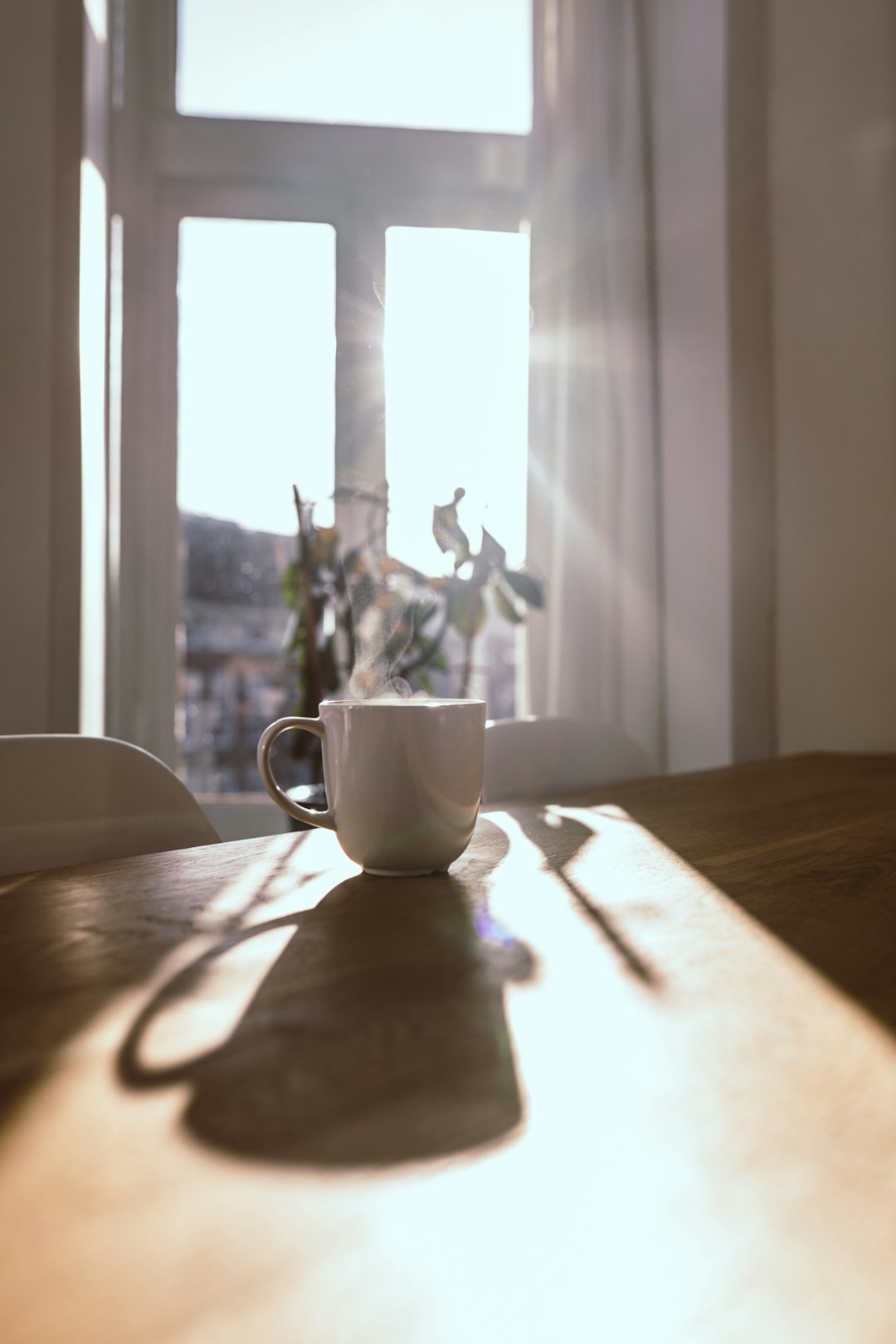
If you’d rather skip the device, natural light works too. A walk outside within a couple of hours of waking — even on an overcast day — provides light levels much higher than typical indoor lighting and can produce a similar effect. The key variables are consistency (daily, throughout the darker months) and timing (morning rather than evening, since light too late in the day can disrupt sleep).
Movement, Sleep, and Daily Structure
Regular exercise — aim for at least three sessions a week — helps relieve the stress and low mood that often accompany SAD, and doing it outdoors in daylight adds a light-exposure benefit on top of the movement itself. Even a brisk 30-minute walk counts.
Because SAD often disrupts sleep and appetite, protecting a regular sleep-wake schedule matters more in winter, not less. Go to bed and wake up at consistent times, even on weekends, and try to get some morning light before checking your phone. Keeping normal routines — meals, work hours, social plans — also counters the tendency to withdraw and hibernate, which tends to deepen low mood rather than relieve it.
Cognitive behavioral therapy adapted for SAD (CBT-SAD) is typically delivered in weekly group or individual sessions over about six weeks and focuses on identifying and reframing the negative thoughts that build up around darker, colder seasons. Research suggests its benefits can carry over into following winters, even without booster sessions — making it a strong option if you want a longer-term, non-drug strategy rather than something you repeat every year.
Tips and Common Mistakes
Start light therapy early — begin in early fall, before symptoms set in, rather than waiting until you feel bad. Use it every morning, not sporadically; missed days blunt the effect. Don’t use a light box right before bed, since it can interfere with sleep the way screens do.
Be cautious with vitamin D as a stand-alone fix: people with SAD often have low vitamin D, but controlled studies haven’t consistently shown that supplements alone relieve SAD symptoms. It’s reasonable to check your levels with a doctor, but don’t rely on it in place of light exposure, movement, or therapy.
Don’t isolate. Low motivation makes it tempting to cancel plans, but maintaining social contact and staying engaged with activities you normally enjoy is itself part of the treatment, not just a nice-to-have.
Know when self-help isn’t enough. If low mood persists most of the day for weeks, you lose interest in things you normally enjoy, your sleep or appetite changes significantly, you’re using alcohol to cope, or you have thoughts of hopelessness or self-harm, see a healthcare provider rather than continuing to self-manage — these strategies work best as first-line or complementary steps, not as a substitute for professional care in more severe cases.
Explore more: more mental health guides.
seasonal mood changes FAQs
How long does light therapy take to work?
Many people notice improvement within one to two weeks of consistent daily use, though it can take longer. If you see no change after several weeks of regular morning use, talk to a healthcare provider about adjusting the approach.
Can vitamin D supplements treat seasonal affective disorder on their own?
Evidence is mixed and largely unconvincing — the largest controlled trials testing vitamin D specifically for SAD found no significant benefit over placebo. It’s fine to check your levels with a doctor, but don’t rely on it as your main strategy.
Is exercise really as helpful as people say for seasonal mood changes?
Regular exercise, especially outdoors in daylight, is one of the better-supported non-drug tools for lifting mood and reducing stress during darker months. It works best combined with light exposure and a steady sleep schedule rather than used alone.
When should I stop trying self-help strategies and see a doctor?
If low mood lasts most of the day for weeks, interferes with work or relationships, comes with major sleep or appetite changes, or includes thoughts of hopelessness or self-harm, seek professional help rather than continuing to manage it yourself.
Build Better Habits With ZenDuel
Track your habits and mood, stay accountable, and build a calmer routine — get the ZenDuel app. Get ZenDuel.
Photo by Alexander Possingham on Unsplash.