Your heart is pounding, your mind is blanking, and the exam starts in ten minutes. That rush of test anxiety is one of the most common stress responses college students face, and it can undo hours of studying if it hijacks your focus at the wrong moment.
Table of Contents
The good news is that you don’t need a 30-minute meditation session to calm down. This guide covers quick, research-backed mindfulness techniques you can use in the hallway before a test, at your desk during one, or in the days leading up to finals week.

Quick Answer
The fastest way to calm exam stress is controlled breathing: try box breathing (inhale 4 seconds, hold 4, exhale 4, hold 4) for one to two minutes, or 4-7-8 breathing (inhale 4, hold 7, exhale 8) for a few cycles. Pair it with a brief grounding exercise like naming 5 things you can see, 4 you can hear, and 3 you can touch to pull your mind out of a panic spiral and back into the room.
5 Techniques You Can Use Before or During an Exam
Box breathing: Inhale through your nose for 4 counts, hold for 4, exhale for 4, hold for 4, then repeat. The equal-length phases make this technique good for steadying nerves right before you walk into a testing room, since it’s fast and doesn’t require closing your eyes.
4-7-8 breathing: Inhale for 4 counts, hold for 7, exhale slowly for 8. Developed by Dr. Andrew Weil, the longer exhale activates your body’s relaxation response more strongly than box breathing, making it useful when you have a few extra minutes before the test starts or during a bathroom break mid-exam.
5-4-3-2-1 grounding: Silently name 5 things you can see, 4 you can hear, 3 you can touch, 2 you can smell, and 1 you can taste. This shifts your attention away from anxious thoughts (‘I’m going to fail’) and back to the present moment, which is especially useful if your mind goes blank on a question.
One-minute body scan: Starting at your feet and moving up to your head, briefly notice any tension you’re holding (clenched jaw, tight shoulders, gripped pen) and consciously release it. Doing this once at your desk before the exam begins can reduce the physical tightness that makes it harder to think clearly.
Mindful pause between questions: If you hit a hard question, don’t muscle through in a panic. Take three slow breaths, unclench your hands, and reread the question once more before answering. This short reset often stops a single hard question from spiraling into anxiety for the rest of the test.
Building a Habit Before Finals Week Hits
Mindfulness works best as a practiced skill, not a one-time fix you try for the first time in an exam room. Spend 5-10 minutes a day in the two weeks before finals doing a short guided breathing or body-scan exercise, so the technique feels familiar under pressure instead of foreign.
Studying with mindful breaks helps too: after every 25-45 minutes of focused review, take a two-minute break to breathe deliberately and stretch rather than immediately checking your phone. This keeps your baseline stress lower going into exam day instead of letting it stack up unchecked.
If exam anxiety is a recurring, significant problem rather than an occasional case of nerves, most college campuses have a counseling center that offers free or low-cost sessions, and many also run mindfulness or stress-management workshops specifically timed around midterms and finals. It’s worth checking your student health portal for what’s available before the stress builds.
Tips and Common Mistakes
Don’t wait until you’re already panicking to try a technique for the first time. Practice box breathing or grounding during a normal, calm moment first so your body already knows the pattern when you actually need it.
Avoid over-controlling your breath to the point it feels forced or dizzying. If a longer hold (like the 7-count in 4-7-8) feels uncomfortable at first, shorten it and build up gradually rather than pushing through discomfort.
Don’t treat mindfulness as a replacement for preparation. These techniques manage the stress response so your studying can actually show up on the page, but they aren’t a substitute for reviewing material.
Skip trying to meditate for 20 minutes right before an exam. Short, targeted techniques (1-3 minutes) fit the reality of exam-day timing far better than a long session you won’t have time for.
Explore more: Explore more mindfulness techniques.
Mindfulness for exam stress FAQs
What is the fastest mindfulness technique for exam anxiety?
Box breathing (inhale 4 seconds, hold 4, exhale 4, hold 4, repeat for one to two minutes) is one of the quickest ways to calm your nervous system, and it can be done silently at your desk without anyone noticing.
Can mindfulness actually improve exam performance, not just reduce stress?
Research on college students has linked mindfulness practice to lower test anxiety, and less anxiety generally frees up working memory that would otherwise be consumed by worry, which can help you think more clearly on the test itself.
How long before an exam should I start using these techniques?
Ideally, practice a technique like box breathing or a body scan daily for a week or two before finals so it becomes familiar, then use a 1-3 minute version of it right before or during the exam when stress spikes.
Is it okay to use a breathing technique during the actual test?
Yes. Techniques like box breathing or a brief mindful pause between questions can be done silently at your seat without disrupting the exam, and many students use them specifically during a tough question or a moment of blanking.
Build Better Habits With ZenDuel
Track your habits and mood, stay accountable, and build a calmer routine — get the ZenDuel app. Get ZenDuel.
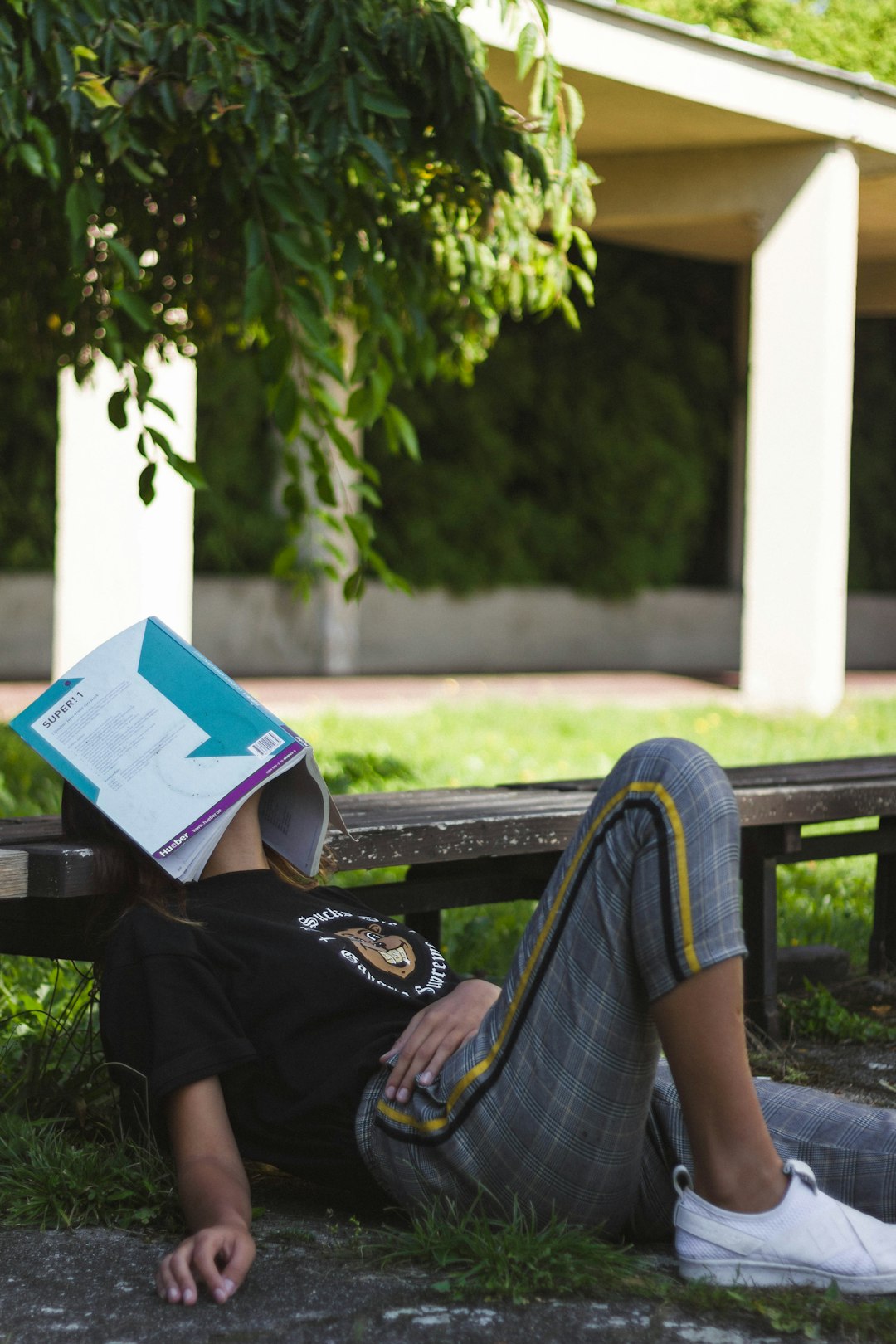
Photo by Kyle Gregory Devaras on Unsplash.