You don’t need a spare room, a yoga studio budget, or a Pinterest-perfect corner to start meditating consistently at home. A dedicated space — even a 4×4-foot patch of floor — signals to your brain that it’s time to settle down, and that cue alone makes it easier to actually sit down and practice.
Table of Contents
This guide walks through building a meditation space in layers: the free version you can set up today, the budget upgrades that make the biggest difference, and the small splurges worth considering once you know meditation is a habit you’re keeping.
Quick Answer
Pick a quiet, low-traffic corner, clear it of clutter, add a cushion or folded blanket to sit on, and use a small visual cue (a candle, plant, or cloth) to mark it as your meditation spot. Everything after that — lighting, sound dampening, cushions, diffusers — is an optional upgrade, not a requirement.
Step 1: Choose and Claim the Spot (Free)
Look for a corner that’s out of the main traffic flow of your home: a nook by a window, the end of a hallway, a closet with the door removed, or even a spot beside your bed. You only need enough room to sit comfortably and, ideally, stretch your legs out — roughly a 4×4-foot area works for most people.
Clear the spot of anything unrelated to meditating: laundry piles, work papers, chargers. A clean, uncluttered visual field genuinely helps your mind settle faster, and it’s the one step that costs nothing but a few minutes.
If you can’t dedicate a permanent spot, that’s fine — use a small rug, mat, or cushion that you roll out only for practice. The act of setting it down becomes the ritual that tells your brain ‘we’re meditating now,’ even in a shared or multi-purpose room.
Step 2: Build It Up in Budget Tiers
**Free to under $25:** A folded blanket or firm pillow works as a seat. Natural light from a window is your lighting. Silence — or a free white-noise or nature-sounds track from a meditation app — is your soundscape. This tier is completely legitimate long-term; plenty of experienced meditators never upgrade past it.
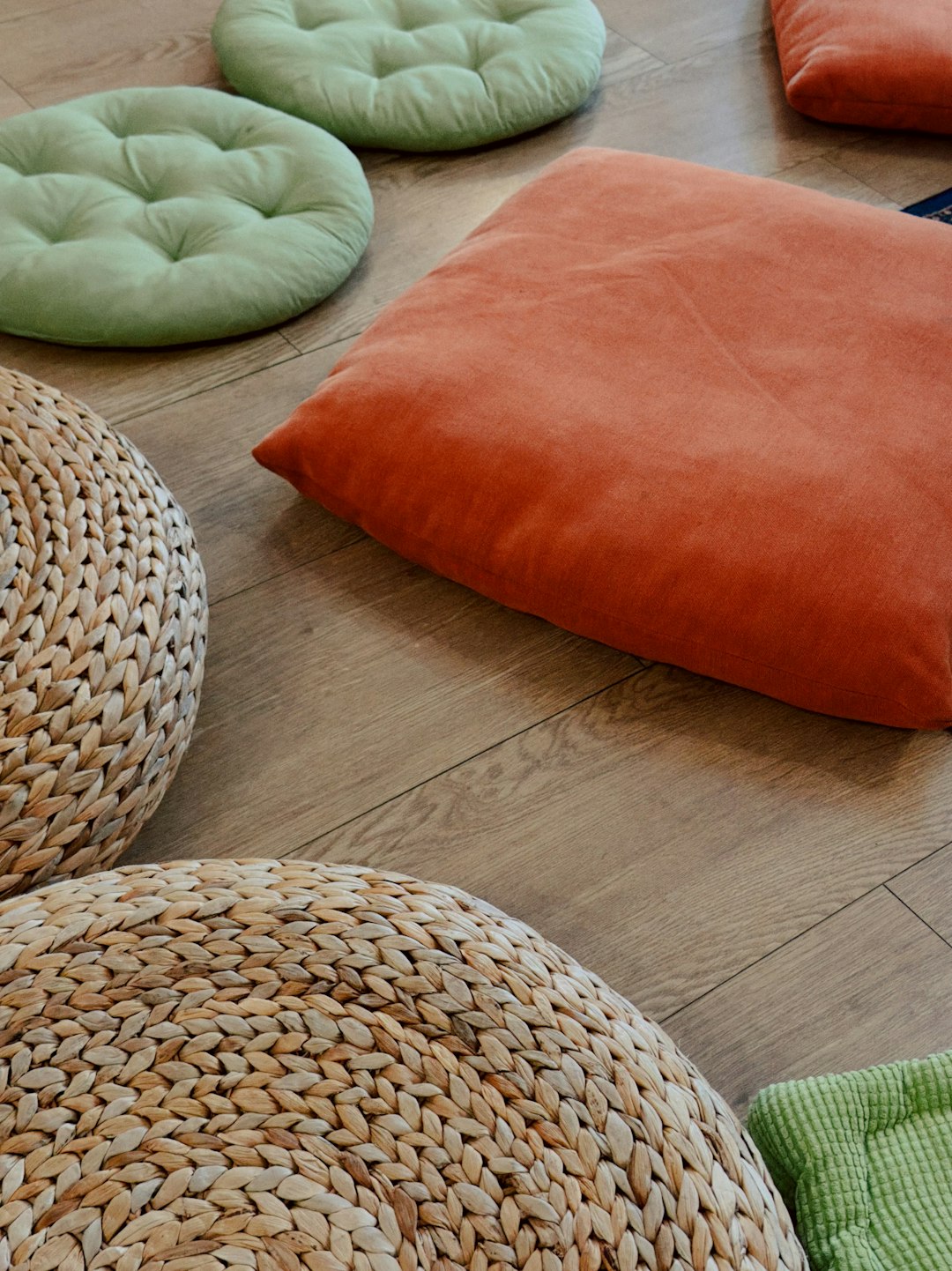
**Roughly $25–$75:** This is where a dedicated cushion pays off. A simple round meditation cushion (often called a zafu) elevates your hips above your knees, which takes pressure off your lower back and legs during longer sits. Paired with a flat mat underneath (a zabuton) to cushion your knees and ankles, it’s a noticeably more comfortable setup than a bare floor or couch cushion. Budget cushions in this range are usually filled with buckwheat hulls or kapok fiber rather than premium materials, but they do the job. A battery or plug-in candle, a small plant, and a $10–$20 essential oil diffuser also fit comfortably in this tier.
**$75–$200+:** At this level you’re looking at matched zafu-and-zabuton sets with removable, washable covers, a proper meditation bench if kneeling suits you better than cross-legged sitting, blackout or heavy thermal curtains to cut outside light and noise, and a dedicated sound machine instead of a phone app. None of this makes you meditate ‘better’ — it just removes small physical annoyances that can otherwise interrupt longer sessions.
Sound, Light, and Scent: What Actually Helps
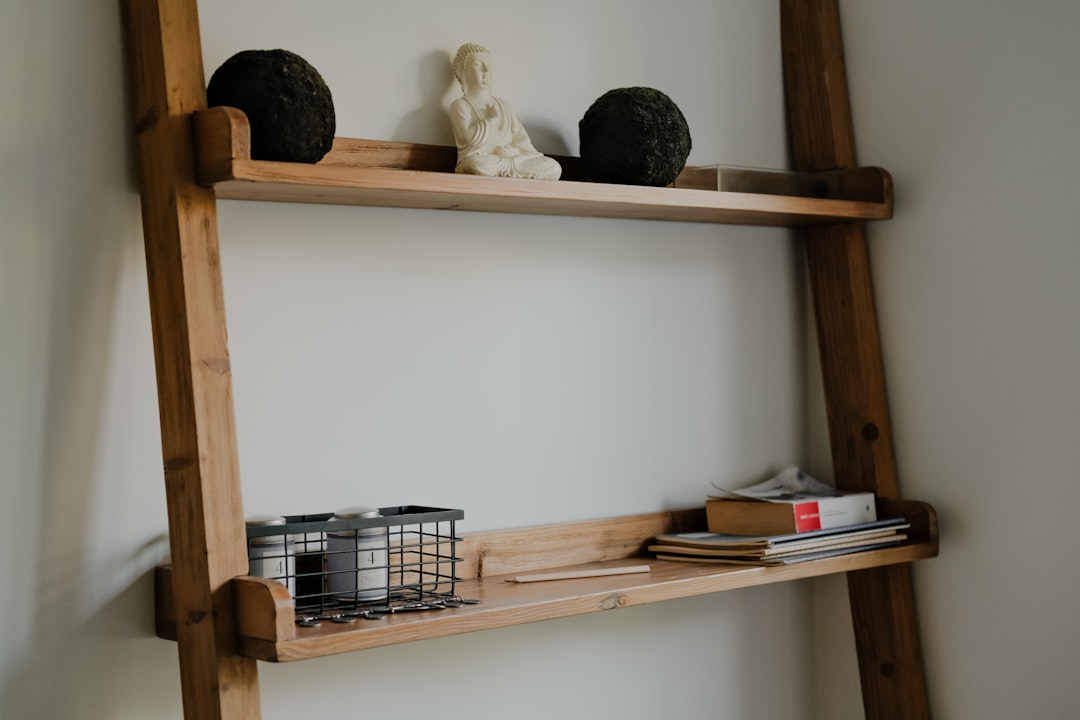
Noise is usually the biggest disruptor in a home meditation space. Heavy curtains, a thick rug, and a draft stopper under the door all absorb sound cheaply; a white-noise or fan sound played quietly can mask the rest without needing to soundproof anything structurally.
For lighting, dim and warm beats bright and clinical. A small lamp, string lights, or a candle (real or battery-powered) creates a softer visual environment than overhead lighting. If you meditate at the same time daily, natural light from a window can double as a helpful circadian cue.
Scent is optional but effective for some people as an anchor — lighting the same candle or running the same diffuser blend (lavender and sandalwood are common choices) each session can help condition your brain to drop into a calmer state faster over time, similar to how a specific playlist can cue a workout mindset.
Tips and Common Mistakes
Don’t wait for the ‘perfect’ space before you start — a folded towel in a quiet corner today beats a beautifully designed room you never got around to building. Set up the free version first, meditate in it for a couple of weeks, then upgrade based on what you actually missed (usually it’s cushion comfort or noise).
Avoid making the space multi-purpose with your phone, laptop, or work materials nearby — even if you don’t touch them, their presence pulls at attention. Keep the phone in another room or in airplane mode if you’re using it for a guided meditation.
Don’t overspend on cushions before you know your preferred sitting position. Some people meditate cross-legged on a zafu, others kneel with a bench, and others simply sit in a chair with both feet flat on the floor — a chair is a completely valid and cost-free meditation seat if floor-sitting is uncomfortable.
Skip incense or diffusers if you or anyone in the household has respiratory sensitivities; a plant or an unscented candle gives you the visual ritual without the air quality tradeoff.
Explore more: more meditation guides.
Home meditation space setup FAQs
Do I really need a separate room to meditate at home?
No. A consistent corner, even inside a bedroom or living room, works fine as long as it’s relatively quiet and you can clear it of clutter before you sit.
What’s the cheapest way to set up a meditation space?
A folded blanket or firm pillow on a clean patch of floor, in a quiet corner, costs nothing and is enough to start a regular practice. Everything else is an optional comfort upgrade.
Is a zafu cushion worth buying?
If you sit cross-legged for more than a few minutes at a time, a zafu (or zafu-and-zabuton set) noticeably reduces knee and lower-back strain by elevating your hips above your knees. If you prefer meditating in a chair, you can skip it entirely.
What should I avoid putting in a meditation space?
Keep work materials, chargers, and general clutter out of the space if possible, and be cautious with strong incense or scented diffusers if anyone nearby has respiratory sensitivities.
Build Better Habits With ZenDuel
Track your habits and mood, stay accountable, and build a calmer routine — get the ZenDuel app. Get ZenDuel.
Photo by Jason Leung on Unsplash.