When anxiety spikes, the last thing you want is a complicated practice with rigid rules. The good news is that meditation for anxiety doesn’t require sitting cross-legged for an hour or clearing your mind completely — it just requires a technique that redirects your attention away from the worry loop and back to the present moment.
Table of Contents
Below are seven gentle, beginner-friendly techniques you can use the next time anxiety shows up, whether that’s a slow-building unease or a full-on panicky moment. Pick one that fits the situation you’re in, and don’t worry about doing it perfectly — showing up consistently matters far more than getting the technique exactly right.
Quick Answer
To meditate for anxiety, use a short breathing or grounding technique — like box breathing, 4-7-8 breathing, or the 5-4-3-2-1 senses exercise — to interrupt anxious thought loops and calm your nervous system. Start with just 5 minutes a day, pick one method, and practice it even when you’re calm so it’s easier to access when anxiety hits.
7 Techniques to Try
1. Box breathing. Inhale through your nose for 4 counts, hold for 4, exhale for 4, and hold for 4 before repeating. The even, structured rhythm gives your mind something simple to follow instead of the anxious thought, and it’s easy to do anywhere — at your desk, in a waiting room, or before a stressful conversation.
2. 4-7-8 breathing. Developed by Dr. Andrew Weil as a modern take on yogic breath control, this pattern is inhale for 4 counts, hold for 7, and exhale slowly through your mouth for 8. The long exhale is the key part — it helps activate your parasympathetic nervous system (your body’s ‘rest and digest’ mode), which can lower heart rate within minutes. It’s especially useful before bed if anxiety keeps you awake.
3. Body scan meditation. Lie down or sit comfortably, then slowly bring your attention from your toes up to your head, noticing sensations in each area without trying to change anything. This shifts attention away from racing thoughts and into physical sensation, and it’s a core practice in many mindfulness-based stress programs.
4. The 5-4-3-2-1 grounding technique. Name 5 things you can see, 4 you can feel, 3 you can hear, 2 you can smell, and 1 you can taste. Because it forces your brain to process real sensory input, it’s one of the fastest ways to interrupt a spiral of anxious thoughts or a panic attack, and it can be done anywhere without any equipment.
5. Loving-kindness (self-compassion) meditation. Silently repeat a few simple phrases toward yourself, such as ‘may I be safe, may I be calm, may I be at ease.’ Anxiety often comes paired with self-criticism, and this practice targets that layer directly by replacing judgment with a warmer, steadier internal voice.
6. Walking meditation. Take a slow walk and focus entirely on the physical sensations of walking — the contact of your feet with the ground, the movement of your arms, the rhythm of your steps. This is a good option if sitting still feels agitating, since it channels restless energy while still anchoring you in the present.
7. Noting or labeling meditation. Sit quietly and, whenever a thought arises, softly label it (‘worrying,’ ‘planning,’ ‘remembering’) and let it pass without engaging further. This builds the skill of observing anxious thoughts rather than being swept up in them, which is one of the core mechanisms behind how mindfulness reduces anxiety over time.
Why These Techniques Work
Anxiety tends to feed on two things: shallow, rapid breathing and attention stuck on future ‘what ifs.’ Breathing techniques like box breathing and 4-7-8 work on the physical side — slowing your breath signals safety to your nervous system and can bring your heart rate down within a few minutes. Grounding and mindfulness techniques work on the attention side, pulling your focus back to what’s happening right now instead of the imagined threat your mind is rehearsing.
With regular practice, mindfulness meditation is also associated with a calmer stress response over time — research reviews have found moderate evidence that mindfulness programs help reduce anxiety, alongside changes in how the brain regulates fear and emotion. That means these techniques aren’t just a quick fix for the moment; used consistently, they can make anxiety less intense and less frequent overall.

Tips and Common Mistakes
Start small. Five minutes of consistent daily practice does more for your baseline anxiety than one long session done occasionally. Set a specific time, like right after you wake up or right before bed, so it becomes automatic rather than something you have to remember.
Don’t wait until you’re panicking to try a technique for the first time. Practice box breathing or the 5-4-3-2-1 exercise when you’re already calm so the pattern feels familiar and accessible in a real moment of anxiety.
Expect your mind to wander — that’s normal, not a sign you’re doing it wrong. Gently bring your attention back to your breath, your senses, or your body each time, without judging yourself for drifting.
If a breath-holding technique like 4-7-8 makes you feel light-headed or more anxious, ease off the hold count or switch to a simpler technique like box breathing or paced breathing without a hold. And if anxiety is frequent, intense, or interfering with daily life, meditation works best alongside — not instead of — support from a therapist or doctor.
Explore more: Explore more meditation guides.
Meditation for anxiety FAQs
What is the best meditation technique for anxiety?
There isn’t one ‘best’ technique — it depends on the moment. Breathing exercises like box breathing or 4-7-8 work well for quick relief, while body scans and noting meditation build longer-term resilience with regular practice.
How long should I meditate for anxiety relief?
Even 5 minutes a day can help. Many people notice benefits from short, consistent daily sessions rather than occasional long ones — consistency matters more than duration.
Can meditation help with a panic attack?
Grounding techniques like the 5-4-3-2-1 senses exercise and slow, extended-exhale breathing (like 4-7-8) are often the most helpful in the moment because they engage your senses and calm your nervous system quickly. If panic attacks are frequent, talk to a doctor or therapist as well.
Is it normal for my mind to wander during meditation?
Yes, completely normal. The practice isn’t about stopping thoughts — it’s about noticing when your mind has wandered and gently returning your attention, which is itself the skill that helps with anxiety.
Build Better Habits With ZenDuel
Track your habits and mood, stay accountable, and build a calmer routine — get the ZenDuel app. Get ZenDuel.
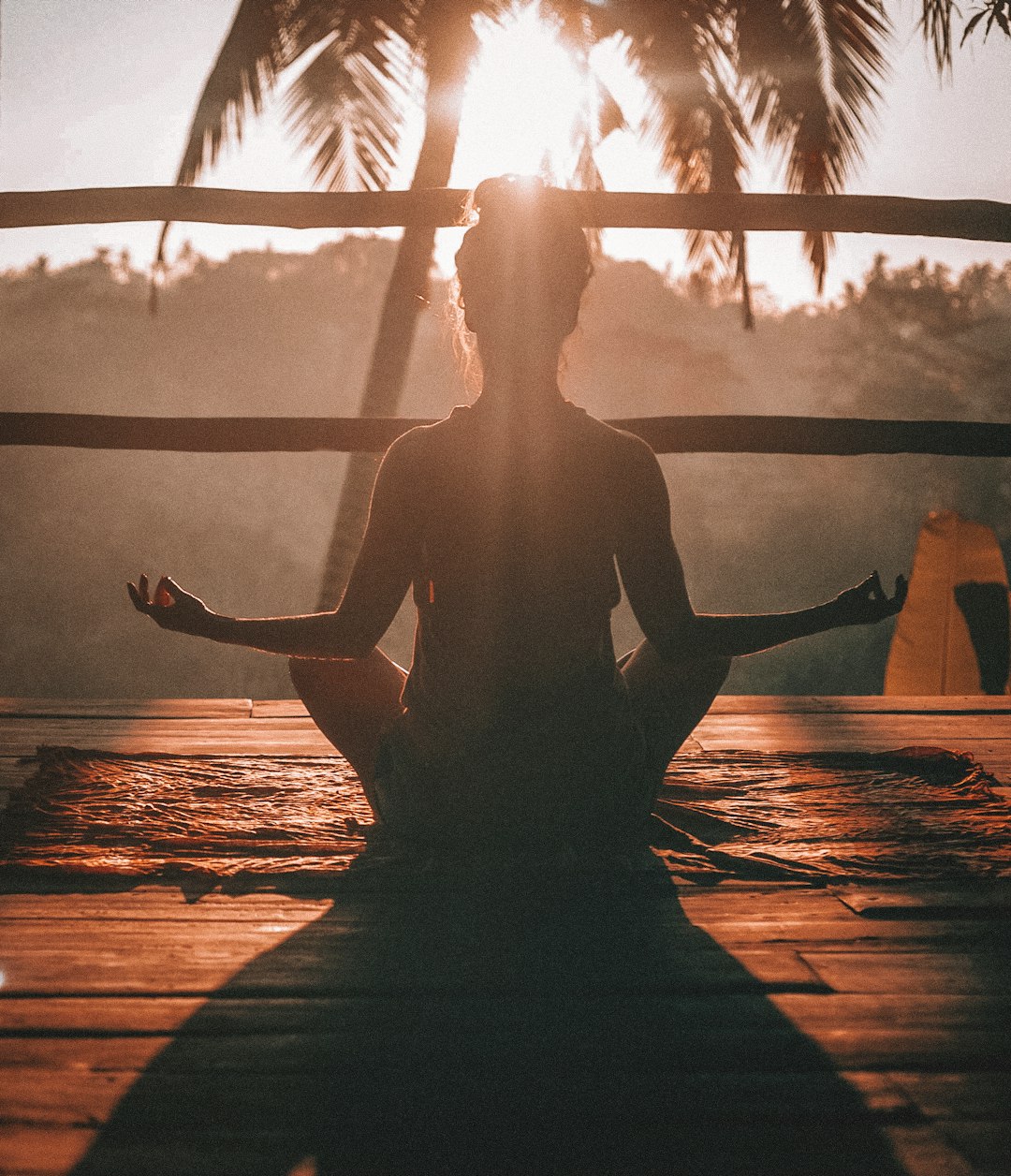
Photo by Jared Rice on Unsplash.