If you’ve ever felt foggy and on-edge after a sugary breakfast, or noticeably calmer after a meal loaded with vegetables and healthy fats, you’ve experienced the food-mood connection firsthand. It’s not just anecdotal — the field of nutritional psychiatry has spent the last decade mapping how what you eat shapes the neurotransmitters, hormones, and gut bacteria that influence how you feel.
Table of Contents
This guide breaks down which foods have the strongest links to better mood and lower anxiety, why they work, and how to start working them into your routine without overhauling your entire diet overnight.
Quick Answer
Fatty fish (like salmon), leafy greens, berries, nuts and seeds, fermented foods (yogurt, kefir, kimchi), and whole grains are the foods most consistently linked to improved mood and lower anxiety, largely because they support serotonin and dopamine production, calm inflammation, and stabilize blood sugar. Cutting back on added sugar and refined carbs matters just as much as adding the good stuff.
The Foods With the Strongest Mood-Boosting Evidence
Fatty fish like salmon, sardines, and mackerel are rich in omega-3 fatty acids, which support brain cell structure and have been linked to better resilience against depression and anxiety. If you don’t eat fish, chia seeds, flaxseeds, hemp seeds, and walnuts offer plant-based omega-3s.
Leafy greens — spinach, kale, and Swiss chard — are among the best food sources of folate, a B vitamin your brain needs to synthesize serotonin. Low folate levels are consistently associated with higher rates of depressive symptoms, so a daily salad or sautéed greens side isn’t just a health cliché.
Berries (blueberries, strawberries, blackberries) are packed with flavonoid antioxidants that help protect brain cells from oxidative stress, and berry intake has been linked in studies to better memory and lower anxiety.
Nuts and seeds, especially pumpkin seeds and almonds, are strong sources of magnesium — a mineral tied to cortisol regulation. Lower magnesium and potassium levels are associated with higher stress-hormone levels, which is one reason a magnesium-rich snack can feel calming.
Fermented foods like plain yogurt, kefir, kimchi, sauerkraut, miso, and kombucha introduce beneficial bacteria that interact with the gut-brain axis. Research on fermented dairy specifically has found associations with lower anxiety levels in young adults, and cohort studies link regular fermented-food intake to fewer depressive and anxiety symptoms under stress.
Dark chocolate (70% cacao or higher) is a legitimate source of magnesium and has long been suspected to ease stress, though the effective serving size is small — think one to three grams, not a full bar.
Whole grains such as oats, quinoa, and brown rice provide steady, slow-releasing carbohydrates that help keep blood sugar — and by extension mood — more stable than refined carbs do.
Why Blood Sugar Stability Matters as Much as What You Eat
A lot of mood-food advice focuses on which nutrients to add, but the glycemic pattern of your overall diet matters just as much. High-glycemic foods — white bread, pastries, sugary cereals, sweetened drinks — cause blood sugar to spike and then crash, and those crashes are linked to increased anxiety and depressive symptoms, partly through their effect on stress hormones like cortisol and adrenaline.
Low-glycemic carbs (al dente pasta, parboiled rice, legumes, most whole grains) release glucose more gradually, producing a smaller spike and helping mood and energy stay level through the day.
The most practical fix isn’t to avoid carbs — it’s to pair them with protein, fiber, and healthy fat at each meal or snack. A slice of whole-grain toast with nut butter behaves very differently in your bloodstream than the same toast eaten alone with jam.
This is also why skipping meals or riding on caffeine and sugar through a stressful day tends to backfire: the resulting blood sugar swings can amplify the anxious, jittery feeling you’re trying to avoid in the first place.
Tips and Common Mistakes
Don’t rely on a single ‘superfood.’ No one ingredient — not blueberries, not salmon, not dark chocolate — will meaningfully shift mood on its own. The strongest evidence backs overall dietary patterns, especially Mediterranean-style eating (vegetables, fruit, legumes, olive oil, fish, whole grains), which is consistently linked to lower rates of depression compared to a typical Western diet heavy in processed food.
Don’t expect probiotic supplements to substitute for food. While specific probiotic strains have shown anxiety-reducing effects in clinical studies, results across supplement brands are inconsistent — food-first sources like yogurt and kefir are a more reliable starting point.
Watch for hidden sugar in ‘healthy’ packaged foods — flavored yogurts, granola bars, and bottled smoothies often carry as much added sugar as dessert, which undercuts the blood-sugar-stability goal.
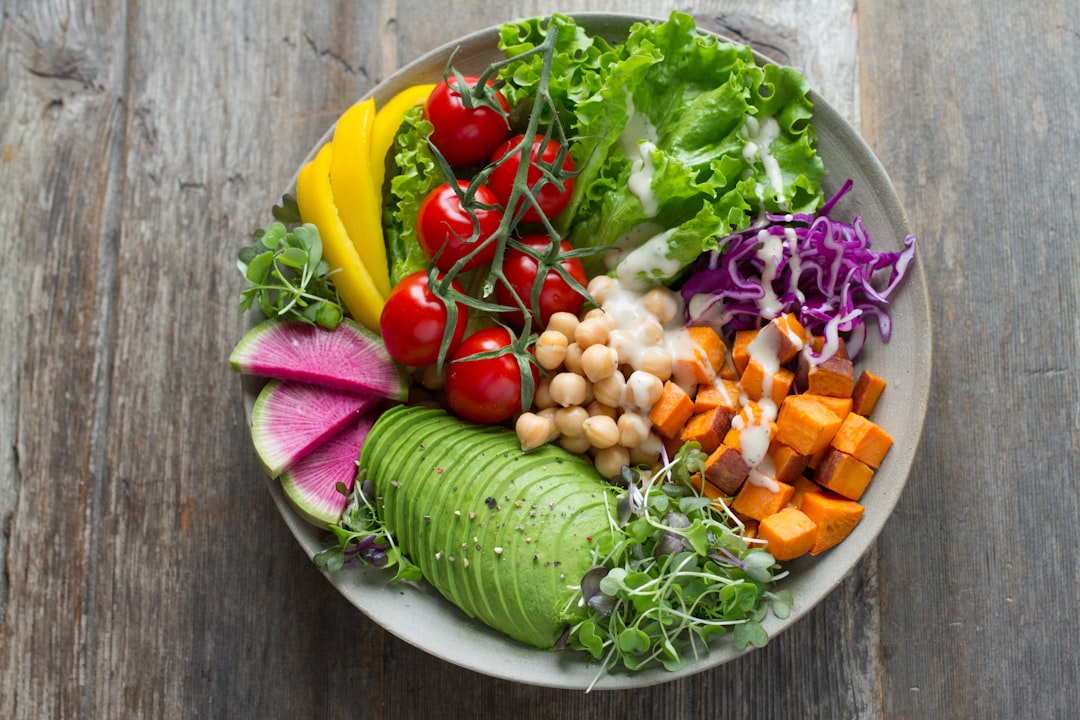
Build the plate instead of chasing single nutrients: aim for a vegetable, a protein source, a healthy fat, and a slow-digesting carb at most meals. That combination naturally covers omega-3s, magnesium, folate, and fiber without needing to track any of them individually.
Give it time. Dietary changes influence mood gradually, over weeks, as gut bacteria populations shift and nutrient stores rebuild — it’s a maintenance habit, not a same-day fix.
If anxiety or low mood is persistent or severe, treat diet as a support alongside therapy or medical care, not a replacement for it.
Explore more: more mental health guides.
Foods that boost mood and reduce anxiety FAQs
What is the single best food for anxiety?
There isn’t one ‘best’ food — the evidence favors dietary patterns over individual ingredients. That said, fatty fish and fermented foods have some of the more consistent research behind them for supporting the gut-brain axis and omega-3 status.
How quickly can diet changes improve mood?
Blood-sugar-related mood swings can ease within days of eating more balanced meals, but deeper effects tied to gut bacteria and nutrient stores (like omega-3s and folate) typically take several weeks of consistent eating to show up.
Are probiotic supplements as effective as fermented foods for anxiety?
Not necessarily. Clinical trials on specific probiotic strains have shown promise, but research on over-the-counter probiotic supplements overall is mixed. Whole fermented foods like yogurt, kefir, and kimchi are a more evidence-backed everyday starting point.
What foods should I cut back on to help with anxiety?
Added sugar, refined white flour products, and heavily processed snack foods are the main culprits — they drive blood sugar spikes and crashes that are linked to worsened anxiety and mood symptoms. Excess caffeine and alcohol can compound the effect for some people.
Build Better Habits With ZenDuel
Track your habits and mood, stay accountable, and build a calmer routine — get the ZenDuel app. Get ZenDuel.
Photo by Anna Pelzer on Unsplash.