You climb into bed, close your eyes, and your brain decides it’s the perfect time to replay every conversation from the last three days. Sound familiar? Most sleep struggles aren’t fixed in bed — they’re fixed in the hour or two before you get there.
Table of Contents
This guide walks through the evening habits that actually move the needle on sleep quality: what to do with light, screens, food, and your mind so your body gets the signal that it’s time to power down. No gadgets required, just a routine you can start tonight.
Quick Answer
The most effective evening habits for better sleep are keeping a consistent bedtime, dimming lights and putting away screens 30-plus minutes before bed, avoiding heavy meals, alcohol, and caffeine late in the day, and doing a calming wind-down activity (reading, stretching, journaling, or a warm shower) in a cool, dark bedroom.
Build a Consistent Wind-Down Window
Pick a start time for your wind-down routine — anywhere from 30 minutes to two hours before you want to be asleep — and try to hit it every night, including weekends. Going to bed and waking up at the same time daily trains your circadian rhythm so your body starts feeling tired on cue instead of you having to force it.
Use that window for low-stimulation activities only: reading a physical book, light stretching, a warm shower or bath, or listening to calm music or a podcast. A warm bath taken about an hour before bed is particularly effective — your body temperature rises then drops quickly afterward, and that drop mimics the temperature dip your body naturally makes as it prepares for sleep.
Adults generally need 7 or more hours of sleep a night, so count backward from your wake time to set a realistic bedtime, then build your wind-down window in front of it.
Manage Light, Food, and Your Mind
Put phones, tablets, and laptops away at the start of your routine, or at minimum 30 minutes before lights-out. Screens emit blue light that suppresses melatonin, the hormone that signals sleepiness, so the later you’re scrolling, the later your brain gets the memo. Dim the lights in your home as bedtime approaches — bright light in the evening works against your circadian rhythm the same way screens do.
Skip large meals, alcohol, and caffeine in the hours before bed. Heavy food and alcohol can cause indigestion, reflux, and middle-of-the-night wake-ups, while caffeine in the afternoon or evening can linger in your system long enough to delay sleep onset. If you want something warm, a non-caffeinated herbal tea like chamomile can be a calming substitute.
If a busy mind is your main obstacle, spend five minutes journaling or writing a quick to-do list for tomorrow before bed — offloading loose ends onto paper is a simple, low-effort way to quiet racing thoughts so they don’t chase you into bed.
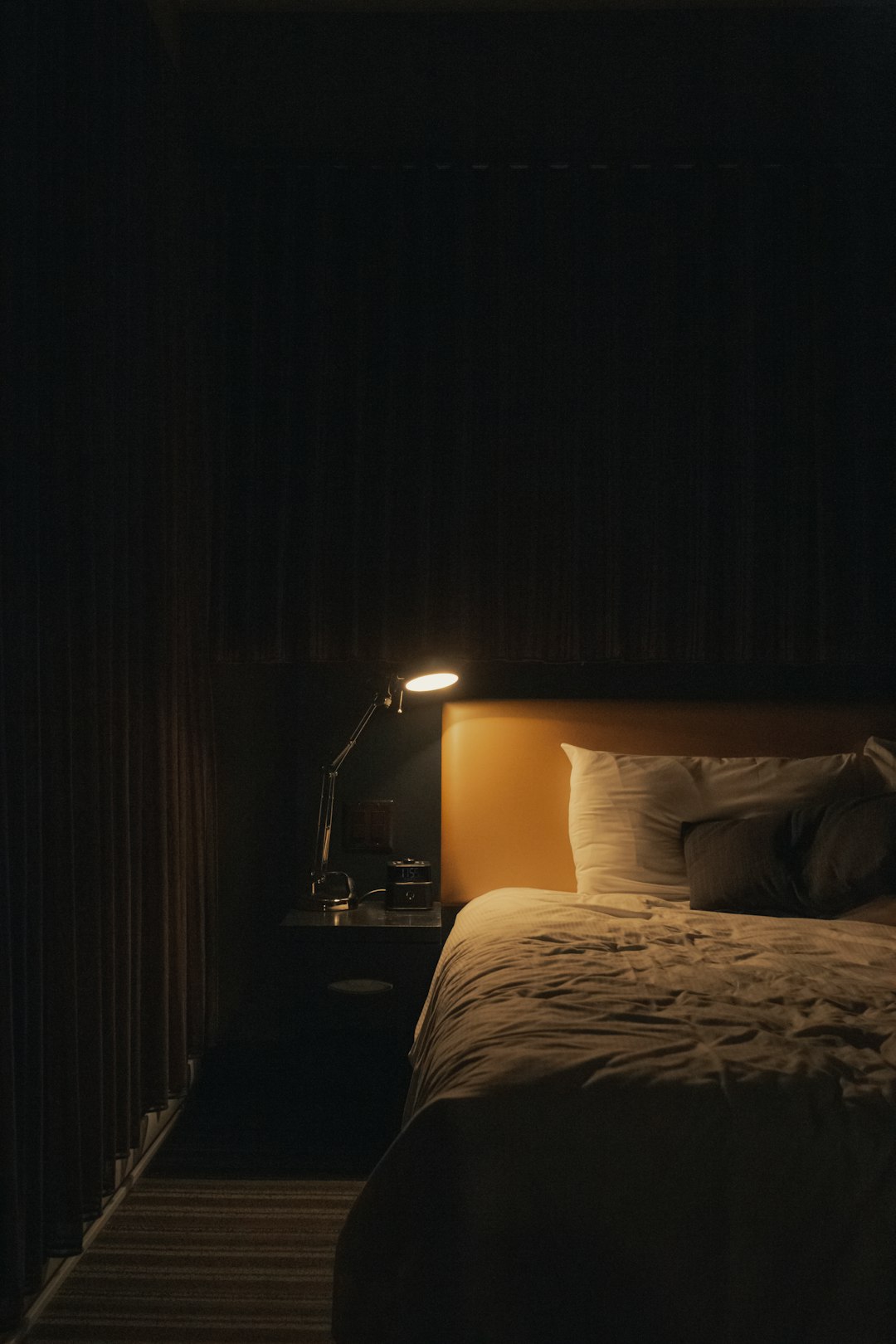
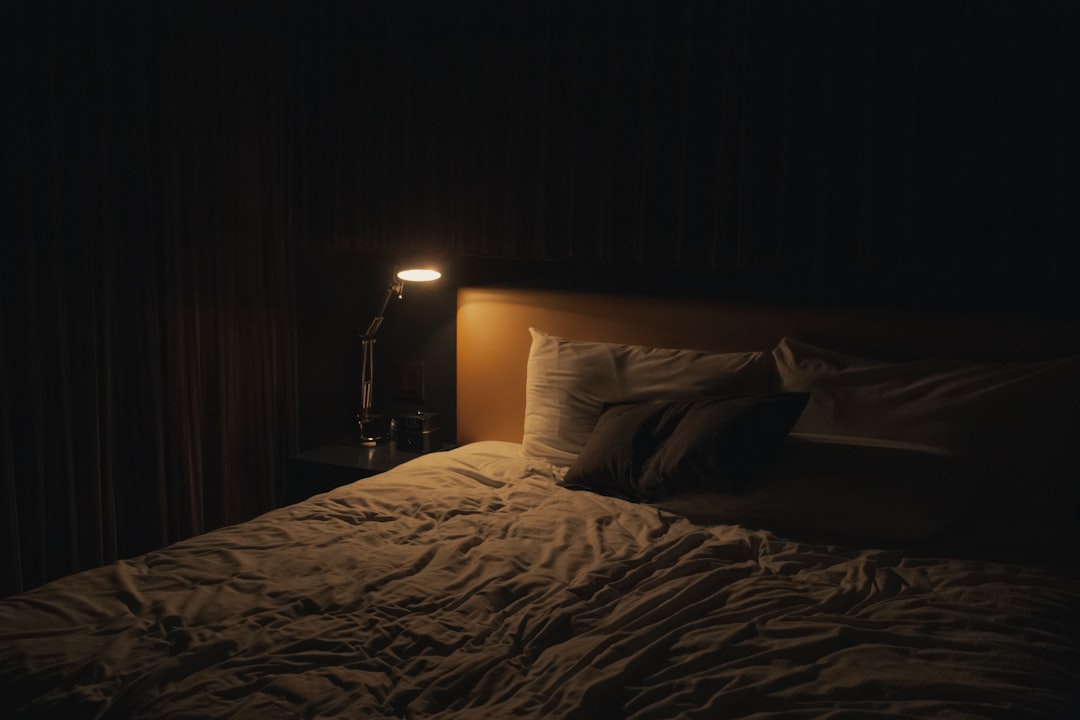
Finally, set the stage: keep your bedroom cool (roughly 65 to 68°F), dark, and quiet. A consistently comfortable sleep environment reinforces every other habit on this list.
Tips / Common Mistakes
Don’t try to change everything at once — pick one or two habits (say, a screen curfew and a consistent bedtime) and layer in more once they stick. Avoid using your bed for anything other than sleep, since working, scrolling, or watching TV in bed trains your brain to associate it with wakefulness. Resist the urge to ‘catch up’ on sleep with wildly inconsistent weekend schedules; it disrupts the rhythm you’re trying to build. And if you can’t fall asleep after about 20 minutes, get up and do something quiet and low-light rather than lying there frustrated — that frustration itself becomes a barrier to sleep.
Explore more: more habit-building guides.
Evening wind-down routine FAQs
How long before bed should I start winding down?
Start your wind-down routine 30 minutes to 2 hours before your target bedtime. Even a short, consistent routine is more effective than an inconsistent long one.
Does a screen curfew really make a difference?
Yes — blue light from phones and laptops suppresses melatonin production. Putting devices away at least 30 minutes before bed, as recommended by the CDC, helps your body’s natural sleep signal kick in on time.
What temperature should my bedroom be for better sleep?
Most sleep experts recommend keeping your bedroom cool, roughly 65 to 68°F, along with dark and quiet, since a drop in body temperature helps trigger sleep onset.
Is it bad to eat or drink alcohol right before bed?
Large meals and alcohol close to bedtime can cause indigestion, acid reflux, and nighttime waking, so it’s best to finish eating and drinking a few hours before you plan to sleep.
Build Better Habits With ZenDuel
Track your habits and mood, stay accountable, and build a calmer routine — get the ZenDuel app. Get ZenDuel.
Photo by Jp Valery on Unsplash.