Mindfulness and mental wellness research delivered some of its most compelling findings yet this week, from a Johns Hopkins discovery that habit formation works more like a light switch than a slow fade, to UC San Diego evidence that just seven days of guided meditation reshapes the brain at the cellular level. Across universities, clinical journals, and digital health platforms, the science supporting mindfulness and mental wellness is advancing fast. Here are 15 essential mindfulness and mental wellness stories from the week ending June 28, 2026.
Table of Contents
Mindfulness & Meditation Research
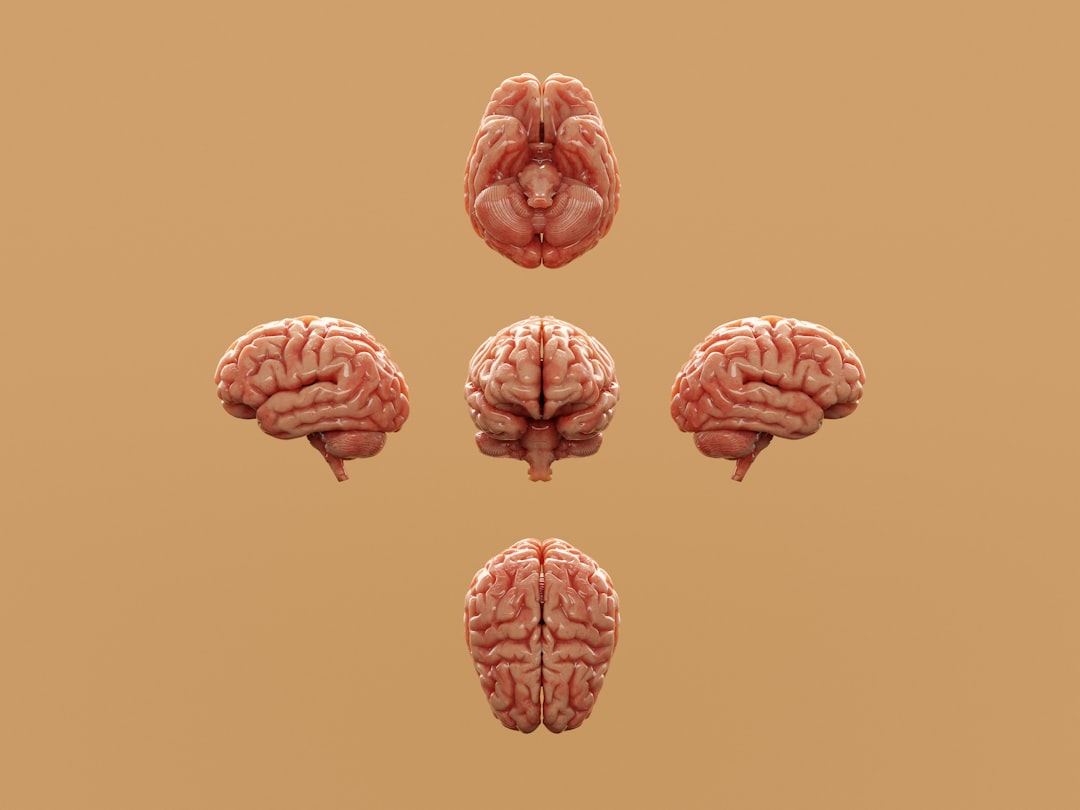
7 Days of Meditation Measurably Rewires the Brain
Researchers at the University of California San Diego published findings in Communications Biology showing that a single seven-day residential meditation retreat produced measurable biological changes in 20 healthy adults—elevated natural opioid levels, enhanced neuroplasticity in lab-grown neurons, and brain connectivity patterns resembling those seen after psychedelic experiences. Senior author Dr. Hemal Patel described the breadth of changes as “surprising given the short duration.” Details are available at ScienceDaily’s full report on the study.
Mindfulness-Based Interventions Cut Student Anxiety and Depression
A 2026 systematic review and meta-analysis published in Tandfonline assessed the effectiveness of mindfulness-based interventions across student populations, finding moderate-to-strong symptom reductions across 30 randomized controlled trials involving more than 24,000 participants. Programs lasting 8 to 12 weeks consistently produced the largest benefits, with Mindfulness-Based Cognitive Therapy (MBCT) showing the strongest effects on depression scores. The findings cement MBIs as a scalable, evidence-backed pillar of campus mental health.
Psychobiotics Reduce Cortisol and Boost Mood via the Gut-Brain Axis
A March 2026 review in Frontiers in Microbiology confirmed that specific probiotic strains—including Bifidobacterium longum 1714 and heat-killed Lactobacillus paracasei PS23—significantly reduced cortisol and improved sleep quality during high-stress periods in clinical trials. Multi-strain, high-CFU formulations showed the broadest anxiety-reduction benefits, operating through gut production of serotonin, GABA, and anti-inflammatory metabolites that travel directly to the brain. These findings are expanding the conversation around mindfulness and mental wellness to include the gut as an active biological partner in mood regulation.
VR Mindfulness Shows Early Promise as a Scalable Therapeutic Tool
A 2026 systematic review protocol published in PMC is gathering evidence on virtual reality-based mindfulness interventions for stress, anxiety, and depression across randomized controlled trials. Pilot findings suggest immersive VR environments enhance emotional regulation more reliably than audio-only approaches, largely because dropout rates are significantly lower when participants experience full sensory engagement. If you prefer a zero-tech starting point in the meantime, our 5-Minute Mindfulness Exercises You Can Do at Your Desk offer an accessible daily foundation.
Internet-Delivered MBCT Investigated for Adjustment Disorder
A 2026 randomized controlled trial by Holas and colleagues is assessing internet-delivered MBCT for Adjustment Disorder—one of the most prevalent diagnoses in primary care yet historically underserved by structured psychological intervention. The trial, referenced in the American Mindfulness Research Association’s June 2026 library update, probes both clinical outcomes and the active mechanisms—including increased non-reactivity and cognitive flexibility—through which online MBCT produces its effects. Results are anticipated to widen access to mindfulness and mental wellness tools for patients in under-resourced settings.
Habit & Behavior Science
Johns Hopkins: Habits Form in a Single “Switch,” Not Gradually
A landmark study published in Nature Communications and announced by Johns Hopkins University in June 2026 found that the shift from deliberate choice to automatic habit does not fade in gradually—it flips all at once, like a switch being thrown. Lead author Sharlen Moore and senior author Kishore Kuchibhotla identified a specific brain region that controls this rapid behavioral transition, and crucially showed it can reverse, meaning entrenched habits are not permanent. The discovery overturns more than a century of prevailing behavioral theory rooted in the idea of slow, gradual reinforcement.
Scientists Identify the Neural Signal That Overrides Established Habits
A complementary June 8, 2026 finding identified a distinct brain signal that allows the nervous system to override an established habit when external circumstances suddenly change, observed in mice navigating a virtual maze environment. The research adds mechanistic precision to behavioral science and opens potential treatment pathways for conditions where habit inflexibility is a core feature—including addiction, OCD, and anxiety disorders. Together with the Johns Hopkins “switch” study, this week represented a pivotal moment for the neuroscience of behavior change.
Micro-Habit Science Aligns with New Automaticity Research
The new Johns Hopkins research supports what practitioners have long observed: lower the friction, start tiny, and the brain locks in behavior faster than expected. Our guide to Micro Habits for Mental Health That Take Under 2 Minutes provides a practical roadmap grounded in exactly this automaticity research—the implication being that even a single consistent repetition of a small wellness behavior may be enough to trigger the habit switch. The key is choosing behaviors small enough to do without deliberation.
Loneliness Epidemic Deepens; Social Prescriptions Gain Clinical Traction
A 2026 public health analysis published on PubMed reinforced the WHO Commission on Social Connection’s finding that persistent loneliness is linked to more than 871,000 deaths annually worldwide. Evidence-based responses—Community Navigator programs, intergenerational volunteering, and structured group social activities—showed measurable reductions in both loneliness scores and depression measures across multiple trials. Mental health providers are increasingly writing “social prescriptions” alongside traditional clinical treatments as a recognized wellness intervention.
Screen Time Above 7.5 Hours Daily Linked to Anxiety and Circadian Disruption
Research aggregated across multiple 2026 mental health and behavioral neuroscience sources confirms that adults averaging more than 7.5 hours of daily screen exposure—now the norm—face measurably elevated risks of anxiety, depression, and circadian rhythm disruption. Clinical trial NCT06910371, launched in 2026, is testing structured smartphone reduction protocols to quantify the mental health benefit of deliberate disconnection from devices. Digital detox has moved from niche wellness trend to a federally registered area of clinical investigation.
Mental Wellness Trends
Climate Anxiety Recognized as a Growing Clinical Priority
The Climate Psychology Alliance reported in June 2026 that its membership has doubled since 2023 as licensed therapists develop specialized training for climate-related distress, driven by increasing cases of anxiety, grief, and helplessness tied to extreme weather and environmental change. The American Psychological Association’s 2026 coverage emphasizes that effective intervention must target communities as well as individuals—with “know your neighbor” social connection models from New Zealand emerging as effective resilience templates. Mental wellness practitioners are calling for climate anxiety to be embedded in standard clinical training curricula across graduate programs.
APA: 77% of Psychologists Report Patients Using AI Mental Health Tools
A 2026 American Psychological Association report on chatbots and mental health found that 77% of psychologists now have at least one patient using AI as a supplemental mindfulness and mental wellness resource, with 28% of adults aged 18–29 turning to AI as their first-line support. A February 2026 review by Simply Psychology confirmed AI chatbots work well for mild mood concerns and skill education, but consistently underperform human therapists for moderate-to-severe conditions and cannot reliably detect psychiatric emergencies. The APA is calling for updated ethical standards requiring clinicians to proactively discuss AI use with patients.
Headspace Launches BREATHE: Haptic Wearable-Integrated Mindfulness
Headspace released its BREATHE feature in 2026, using haptic pulses via Apple Watch, Oura Ring, and other wearables to guide rhythmic breathing in real time—no screen interaction required. The update reflects a broader industry shift toward biometric-aware mindfulness and mental wellness tools that respond to the body’s live physiological state rather than a fixed timer. For those managing chronic stress biologically, our How to Lower Cortisol Naturally: A Practical Daily Guide pairs directly with wearable-driven breathing protocols.
Mental Health App Market Crosses $7 Billion with 15%+ Annual Growth
The global mental health and wellness app market surpassed $7 billion in 2026, growing at over 15% annually and projected to reach $15.6 billion by 2030 as digital care becomes a primary access point for millions. Industry consolidation accelerated in early 2026 with Universal Health Services acquiring Talkspace in March 2026 and Cerebral acquiring Inflow to expand ADHD-focused digital therapy. A 2025 Deloitte Insights survey found more than 70% of people now use at least one digital tool to actively support their mental health.
Circadian Rhythm Disruption Named a Critical Gap in Mental Health Research
A 2026 priority-setting study in BMJ Mental Health—co-developed by clinicians, researchers, and people with lived experience—identified circadian rhythm disruption as a critically under-addressed driver of mood disorders. Evidence confirms that irregular sleep timing alone raises cortisol even when total sleep hours appear normal, and that circadian misalignment depletes serotonin and dopamine balance in ways that directly worsen depression and anxiety. Researchers are calling for mental wellness interventions that treat sleep rhythm—not just sleep duration—as a frontline therapeutic target.
Sources
- EurekAlert! — Habits form far faster than science previously thought, research shows (Johns Hopkins / Nature Communications)
- ScienceDaily — Scientists say 7 days of meditation can rewire your brain (UC San Diego / Communications Biology)
- Frontiers in Microbiology — Psychobiotics in mental health: insights from human clinical trials via the gut-brain axis
- Simply Psychology — AI Therapy Chatbots: What the 2026 Research Actually Shows
- Tandfonline — The effectiveness of mindfulness-based interventions in reducing anxiety and depression among students: a systematic review and meta-analysis
Frequently Asked Questions
How long does it take for meditation to produce real brain changes?
According to a UC San Diego study published in Communications Biology in 2026, measurable changes in brain connectivity, immune signaling, neuroplasticity, and natural pain-relief chemistry were detected after just seven days of intensive guided meditation — far sooner than researchers anticipated.
Do habits form gradually or can they click into place suddenly?
A June 2026 Johns Hopkins study in Nature Communications found that behaviors transition from deliberate choices to automatic habits in a single trial — more like a switch flipping than a slow build — and that the switch can be reversed, offering real hope for breaking unwanted patterns.
Can probiotics improve mental wellness and mood?
Yes. A March 2026 review in Frontiers in Microbiology found specific probiotic strains — particularly Bifidobacterium longum 1714 — reduce cortisol under stress, improve sleep quality, and alleviate anxiety by modulating the gut-brain axis through neurotransmitter synthesis and anti-inflammatory signaling.
Are AI mental health chatbots safe and effective?
AI chatbots are appropriate for mild mood concerns, skill-building, and between-session support. A 2026 APA report and Simply Psychology review both confirm that human therapists significantly outperform AI for moderate-to-severe conditions, and AI systems cannot reliably identify suicidal ideation or psychiatric emergencies.
What is driving the rise in climate anxiety?
Increasing frequency and severity of extreme weather events, ongoing media coverage, and uncertainty about the future are primary drivers. The Climate Psychology Alliance reported in June 2026 that its membership has doubled since 2023, reflecting surging demand for therapists trained to address this increasingly recognized form of chronic psychological distress.