Most of us walk every day without actually arriving anywhere — mentally, we’re already at the next meeting, replaying a conversation, or scrolling through a mental to-do list. Mindful walking flips that completely. It transforms the act of walking into a genuine meditation practice, and the best part is you don’t need a cushion, a quiet room, or 30 free minutes. A short stroll around the block is enough.
Table of Contents
This guide walks you through exactly how to do it — the technique, where to put your attention, how to handle distractions, and the small adjustments that make the difference between a distracted walk and a genuinely grounding one. No prior meditation experience required.
Quick Answer
Mindful walking (also called walking meditation) means intentionally placing your attention on the physical experience of walking — the feeling of your feet touching the ground, the rhythm of your breath, the sounds around you — rather than letting your mind run on autopilot. You walk slowly, notice each step, and gently return your focus whenever your mind wanders. A 10-minute session is enough to start.
How to Do Mindful Walking: Step by Step
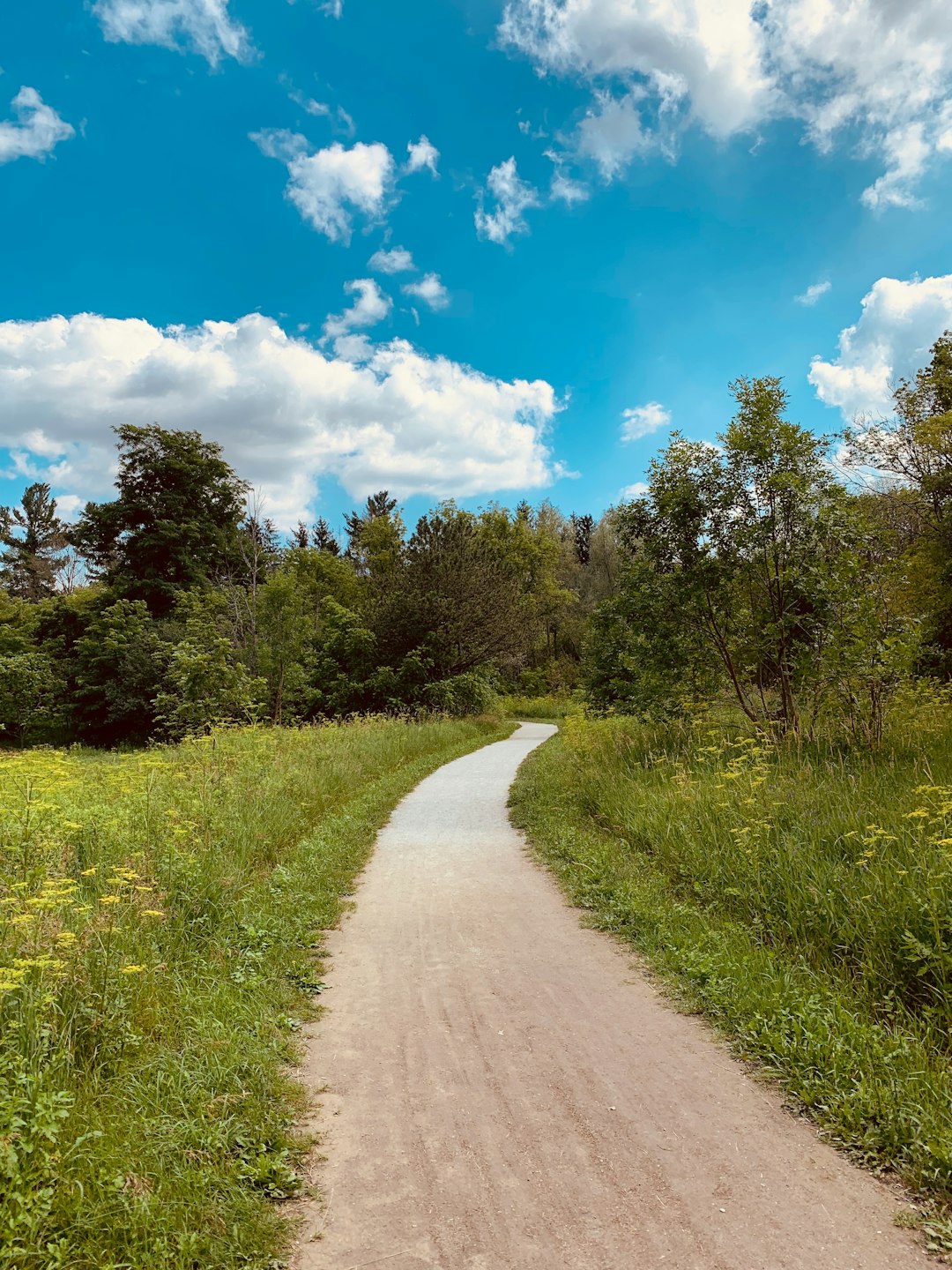
Step 1 — Choose your path. You don’t need a scenic trail. A quiet hallway, a backyard, or a sidewalk all work. For formal practice, pick a short lane of about 10–15 paces so you spend more time walking and less time navigating. For everyday practice, any route you already walk works fine.
Step 2 — Arrive before you move. Stand still for a moment. Take two or three slow, deliberate breaths. Feel your feet on the ground. This short pause signals to your nervous system that this walk is intentional — not a dash from A to B.
Step 3 — Begin walking at a slower-than-normal pace. You don’t need to walk in slow motion, but reduce your usual speed by about 30–40 percent. As mindful.org puts it, quoting Jon Kabat-Zinn: ‘You are not trying to get anywhere, even to the next step.’ The destination is the present moment.
Step 4 — Break the step into its parts. According to the Greater Good Science Center at UC Berkeley, you can train your attention by noticing each component of a step: the lifting of one foot, the forward movement of the foot, the heel making contact with the ground, and the shift of your body weight onto that leg. You don’t need to narrate this constantly — just feel it.
Step 5 — Pick one anchor for your attention. Beginners often find it helpful to choose a single focus point rather than trying to notice everything at once. Common anchors: the sensation of your feet touching the ground, the rhythm of your inhale and exhale, the sounds around you, or the feeling of air on your skin. When your mind wanders — and it will — gently bring it back to that anchor without frustration.
Step 6 — At the end of your path, pause. If you’re doing a back-and-forth practice, stop before you turn, take a breath, and then turn with the same deliberate attention. If you’re on a longer outdoor walk, build in a moment every few minutes to pause and simply notice where you are.
What to Do With Your Attention (and Your Wandering Mind)
The most common beginner question is: ‘Where exactly am I supposed to look and what am I supposed to think about?’ The short answer is: eyes soft with a gentle downward gaze a few feet ahead, and attention loosely resting on one of your chosen anchors — feet, breath, sounds, or body sensations. You’re not trying to empty your mind. Thoughts will arise. That’s completely normal and not a sign that you’re failing.
When you notice your mind has wandered — you’re planning dinner, worrying about a message, or just spacing out — the practice is in that moment of noticing. Simply acknowledge it (‘thinking’) and guide your attention back. This return is the repetition that builds the mental muscle. Every time you come back, that’s a successful rep, not a failure.
You can also coordinate your breath with your steps as a focusing technique: inhale for two or three steps, exhale for two or three steps. This gives your mind a simple rhythm to track and prevents it from drifting into planning mode. It’s especially useful outdoors where there are more distractions.

Common Mistakes (and How to Avoid Them)
Walking too fast is the most common mistake. Speed and mindfulness work against each other when you’re starting out. If you catch yourself walking at your normal commuter pace, slow down — even if it feels awkward at first. The goal is awareness of movement, and that’s much easier at a reduced speed.
Expecting a blank mind is the second biggest trap. Mindfulness doesn’t mean achieving silence in your head. It means noticing what’s happening — including the mental noise — without being swept away by it. If you finish a 10-minute walk and feel like your mind wandered the whole time, you still practiced. The noticing is the practice.
Using headphones or checking your phone defeats the purpose. Podcasts, music, and notifications are all competing for exactly the same attention you’re trying to train. Save those for a different walk. Even 10 minutes of unplugged movement can feel surprisingly different from your norm.
Waiting for the ‘right’ conditions is another habit to drop. You don’t need a forest, sunrise, or perfect weather. The Mental Health America Lakeshore guide notes that any setting — indoors or outdoors — works, as long as you can move without constant interruption. A grocery store parking lot counts.
Explore more: More mindfulness guides and practices.
Mindful Walking FAQs
How is mindful walking different from a regular walk?
On a regular walk, your body moves while your mind is somewhere else entirely — planning, worrying, replaying. Mindful walking means intentionally anchoring your attention to the physical experience of walking itself: the feeling of each step, your breath, sounds around you. The route and pace can be identical; the difference is where your mind is.
How long should a mindful walk be for beginners?
Ten minutes is a solid starting point. That’s enough to settle into the practice without it feeling like a chore. Consistency matters more than duration — a 10-minute mindful walk three times a week will build the habit faster than an occasional 45-minute session.
Can I do mindful walking anywhere, or does it need to be somewhere quiet?
Anywhere works. Quiet, distraction-free spaces are easier when you’re first learning, but busy environments can actually become part of the practice — noticing sounds, movement, and sensory input without getting pulled into reaction. Many practitioners find mindful walking most useful precisely in busy, stressful environments like city streets or crowded buildings.
Build Better Habits With ZenDuel
Track your habits and mood, stay accountable, and build a calmer routine — get the ZenDuel app. Get ZenDuel.
Photo by Jack Skinner on Unsplash.
