75 Hard only has five rules, but the program lives or dies on one thing: whether you actually know, every single day, if you did all five. Memory is not good enough — the whole challenge resets to Day 1 the moment you miss a single task, so “I think I drank enough water” isn’t an answer you can afford.
Table of Contents
This guide walks through exactly what a 75 Hard tracker needs to contain, how to fill it in each day so there’s no gray area, and the mistakes that quietly cause most people’s restarts. A free printable and spreadsheet tracker built to this layout is attached above — grab it and set it up before Day 1.
Quick Answer
A 75 Hard tracker works when it’s a 75-row grid — one row per day — with a separate checkbox for each of the five rules (diet, two workouts with one outdoors, a gallon of water, 10 pages of a self-development or entrepreneurship book, and a progress photo), plus a notes column for anything ambiguous. Check every box before you go to bed, and if any box is empty, the next day is Day 1 again.
What to Put on the Tracker
The 75 Hard rules, as laid out by creator Andy Frisella, are: follow a diet of your choosing with no cheat meals and no alcohol; complete two 45-minute workouts a day, with one of them outdoors; drink a gallon of water; read 10 pages of a self-development or entrepreneurship/business book (audiobooks don’t count); and take a daily progress photo. There’s no prescribed diet or workout plan — you pick those — which is exactly why the tracker needs to spell out the rule, not just the category.
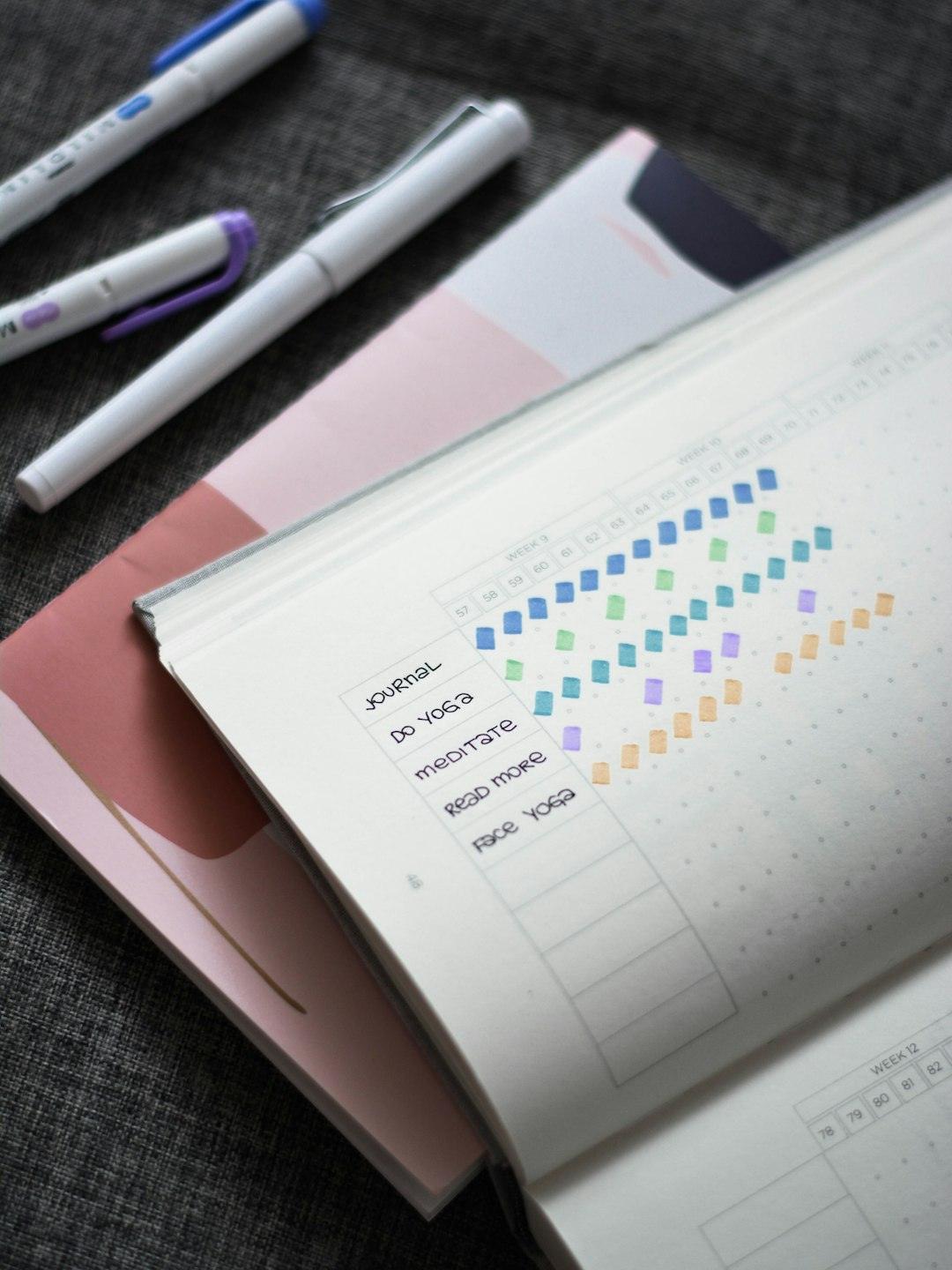
Set up the tracker (this is the layout the attached printable and spreadsheet use) as one row per day, numbered 1 through 75, with a date column next to it. After that, give each rule its own checkbox column: Diet, Workout 1, Workout 2 (Outdoor), Water (1 Gallon), Read 10 Pages, and Progress Photo. Add a seventh column labeled “Day Complete” that you only check once every single box in that row is checked — this is the one that matters at a glance. Finish the row with a short Notes field for anything worth remembering, like which book you’re reading or where the outdoor workout happened.
At the top of the page, leave space for your name, your Day 1 date, and a one-line reason you’re doing the challenge — on day 40, that line is more useful than it sounds. At the bottom, add a small restart log: a few rows to note the date and reason any time you have to go back to Day 1, so you can see the pattern instead of just feeling discouraged by it.
How to Use It Every Day
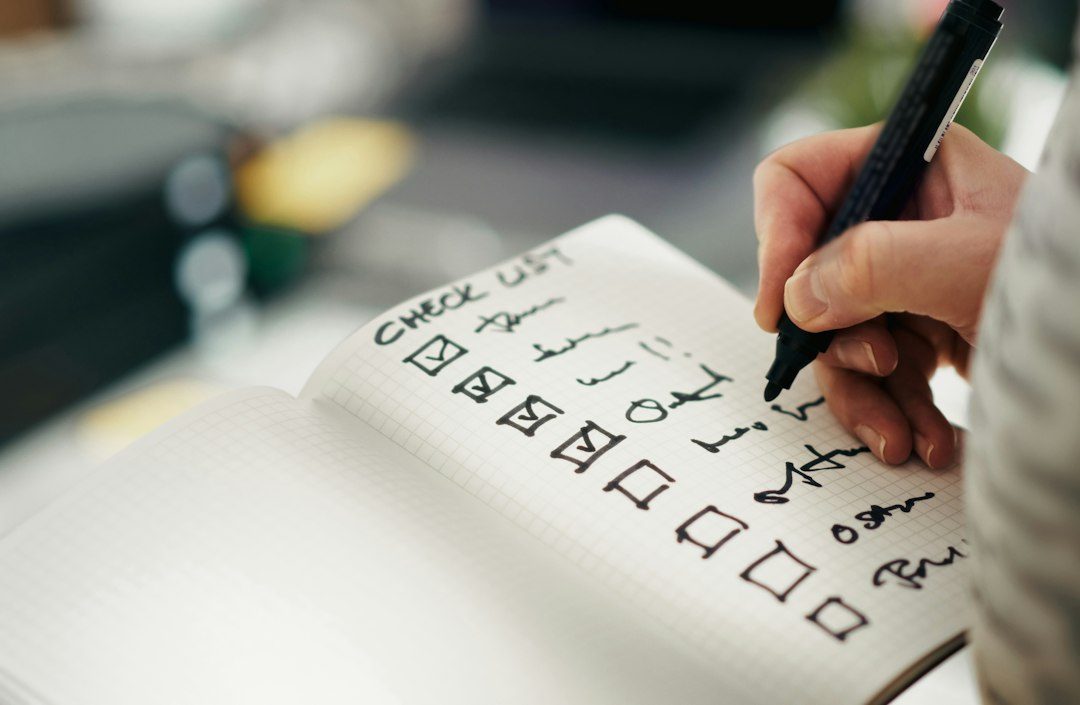
Fill the tracker in at the end of the day, not the morning — the morning entry is a prediction, the evening one is a fact. Check each box the moment you complete that task rather than batching them, since it’s much easier to catch a missed workout at 6pm than to realize at 11:58pm that you never did your second one.
Decide your edge cases before they happen, not in the moment you’re tempted to fudge them. Common ones: a workout on a treadmill in a garage with the door open usually doesn’t count as “outdoor”; the reading has to be a self-development, personal-growth, or entrepreneurship/business book — a novel, memoir, or general nonfiction title doesn’t satisfy the rule; and the water needs to be water — coffee, tea, and sports drinks aren’t part of the gallon. Write your own rulings in the Notes column the first time they come up so you’re consistent for the rest of the 75 days.
If you do miss something, the rule is a full restart at Day 1 the next day — not a pause, not a “redo tomorrow.” Log the miss in the restart log with the real reason (travel, injury, just forgot the photo), then start a fresh set of 75 rows. Most people who finish on a second or third attempt say the tracker is what showed them exactly where they kept slipping.
Tips and Common Mistakes
The most common restart trigger isn’t the workouts or the diet — it’s forgetting the progress photo or the reading before falling asleep, because those feel optional in the moment. Put them on the tracker right next to the workouts, not as an afterthought, and consider doing them first thing in the morning instead of last thing at night.
Don’t track the diet as a single vague box for the whole day. Note what counts as a cheat meal for you (sugar? a specific food? alcohol only?) once, in writing, before Day 1 — vague rules are the easiest ones to accidentally break.
Pick your reading book before Day 1, not on Day 1. It needs to be self-development, personal-growth, or business/entrepreneurship-focused, and you’re expected to stick with one book until it’s finished rather than hopping between titles.
A phone app can duplicate the checkbox logic, but a physical or spreadsheet tracker you see daily — on a fridge, a desk, or pinned in a notes app — tends to create more accountability simply because it’s visible without opening anything.
Don’t skip the restart log. Seeing “missed water, Day 22” and “missed water, Day 9” in writing is what actually fixes the habit, instead of just restarting and hoping this time is different.
Explore more: more habit-building guides.
75 Hard tracker FAQs
What are the 5 rules of 75 Hard?
Follow a diet of your choice with no cheat meals and no alcohol, complete two 45-minute workouts a day with one outdoors, drink a gallon of water a day, read 10 pages of a self-development or entrepreneurship/business book a day (no audiobooks), and take a daily progress photo — every day for 75 consecutive days.
Do I really have to start over if I miss one task?
Yes — that’s the core rule of the program. Missing any single task on any day means starting the full 75 days over from Day 1, which is why a daily tracker that forces an honest check-in matters more in this challenge than in most habit programs.
Does any book count for the reading rule?
No. The book has to be a self-development, personal-growth, or entrepreneurship/business title — novels, memoirs, and general nonfiction don’t satisfy the rule, and audiobooks don’t count since you need to actually read the pages.
Can I use a spreadsheet instead of a printable tracker?
Yes, either works — the attached tracker includes both a printable grid and a spreadsheet version with the same day-by-day checkbox layout, so you can print it, keep it on a tablet, or fill it in on your computer, whichever you’ll actually look at every day.
Skip the Spreadsheet — Track It in ZenDuel
Habit streaks, mood tracking, and accountability duels in one free app — no template maintenance required. Get ZenDuel.
Want a calmer inbox? Subscribe to the free newsletter.
Photo by Prophsee Journals on Unsplash.