If the idea of meditation makes you picture an hour on a cushion with an empty mind, it’s time to reset that expectation. Research now confirms that a daily 5-minute session delivers real, measurable benefits — and for most beginners, short and consistent beats long and sporadic every time. You already have five minutes. You’re about to learn exactly what to do with them.
Table of Contents
This guide covers why brief meditation works, a simple minute-by-minute technique you can follow right now, and the small adjustments that make the difference between a habit that sticks and one that fades after a week.
Quick Answer
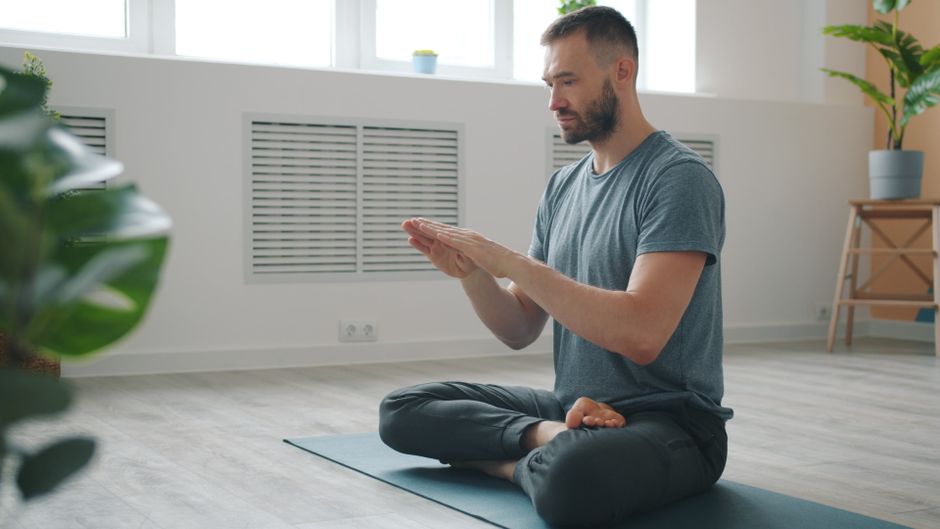
Sit comfortably, close your eyes, and spend five minutes focusing on your breath — counting each exhale up to ten, then starting over. When your mind wanders (it will), gently return your attention to the breath. That’s it. Done daily, this single practice reduces stress, sharpens focus, and builds the foundation for deeper meditation if you ever want it.
Why 5 Minutes Is Actually Enough
A randomized controlled trial found that four 5-minute mindfulness sessions were just as effective as four 20-minute sessions at reducing depression, anxiety, and stress. A review of over 200 mindfulness studies found no evidence that longer sessions produce better results than shorter ones — what matters is frequency and consistency, not duration.
The ‘marginal gains’ principle applies here: small improvements practiced daily compound into meaningful change over time. Five minutes every morning for a month outperforms a 30-minute session you do twice and then abandon. The goal at the start isn’t depth — it’s showing up.
Five minutes is also the sweet spot for beating mental resistance. Longer commitments trigger the ‘I don’t have time for this’ response that kills new habits before they form. Five minutes feels doable even on your worst day.
A Simple 5-Minute Technique (Step by Step)
Minutes 1–2: Settle in. Find a chair, a couch, or the floor — wherever you can sit with your back reasonably straight. Set a timer for five minutes so you’re not checking the clock. Close your eyes and take three slow, deliberate breaths. Notice what’s around you: sounds, temperature, the weight of your body. You’re not trying to silence anything yet, just arriving.
Minutes 2–4: Focus on the breath. Shift attention to the physical sensation of breathing — the air entering your nose, your chest or belly rising, the exhale. Don’t try to control it. Count each exhale: 1, 2, 3… up to 10, then start again at 1. When you lose count (you will), start back at 1. This moment of noticing you’ve drifted and returning — that redirection is the actual practice. It is not a failure; it is the rep.
Minute 5: Close intentionally. Let your attention expand from the breath to your whole body, then to the room around you. Before you open your eyes, set a brief intention: one thing you want to bring your full attention to when you step back into your day. Open your eyes slowly.
Where and When to Practice
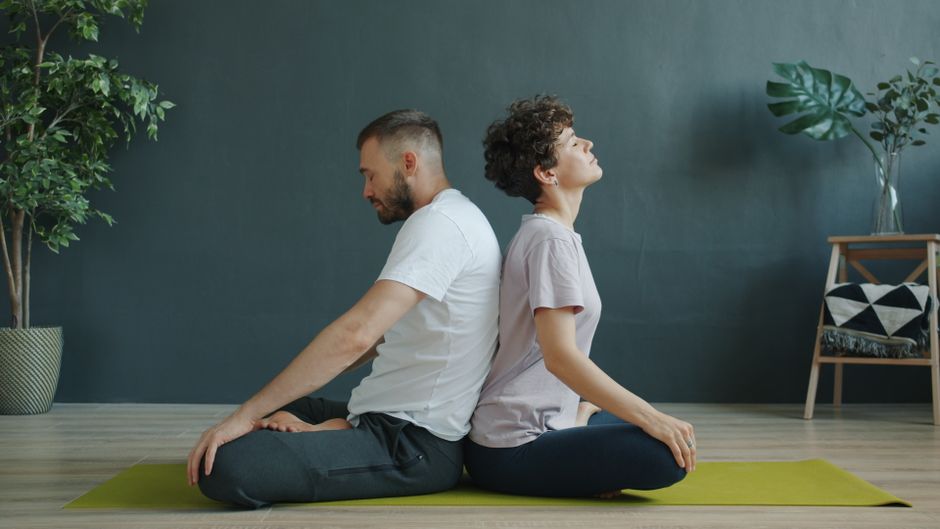
The most reliable meditation habit is one anchored to something you already do. Directly after your morning coffee, before you check your phone, or right before bed are the three slots that tend to stick for beginners. Pick one and protect it — don’t try to fit it in ‘whenever there’s a free moment,’ because there never is.
You don’t need silence. A park bench, a parked car, a quiet corner of an office — all work fine. Imperfect conditions actually train concentration better than a pristine, distraction-free environment. The goal is portability: a practice that only works in ideal settings won’t survive a real week.
You don’t need an app, but if it helps to have a guide at first, Headspace and Insight Timer both offer free beginner sessions under five minutes. Once you know the structure, the timer on your phone is all you need.
Common Mistakes (and Simple Fixes)
Expecting a blank mind is the most common beginner mistake. Meditation is not about emptying your thoughts — it’s about changing your relationship to them. Thoughts will arise. The practice is noticing them without grabbing onto them and returning to the breath. Every return is a success, not a sign you’re doing it wrong.
Skipping days and then doubling up doesn’t work. Two 10-minute sessions on Saturday do not replace five missed daily sessions. The neurological benefit comes from repetition over time, not total minutes logged. If you miss a day, just return the next morning — no catch-up needed.
Switching techniques every few days because ‘it’s not working yet’ is another trap. Give any single method at least two weeks before evaluating. The feeling of calm often lags behind the actual physiological changes happening in the background.
Explore more: Explore more meditation guides.
5-Minute Meditation for Beginners FAQs
Is 5 minutes of meditation really enough to see benefits?
Yes. A randomized controlled trial found that four 5-minute mindfulness sessions produced the same reductions in anxiety, depression, and stress as four 20-minute sessions. Consistency matters more than duration, especially for beginners.
What should I do when my mind keeps wandering?
Notice it and return to the breath — that’s the whole practice. The number of times your mind wanders is irrelevant. Each gentle return is a mental rep. Over time, the gaps between wandering get longer, but the exercise is always the same: notice, return, repeat.
Do I need to sit cross-legged on the floor?
No. Sit in whatever position lets you stay alert without strain — a chair with your feet flat on the floor works perfectly. The only real guideline is keeping your spine reasonably upright so you don’t fall asleep. Lying down is fine for body-scan practices but tends to cause drowsiness for breath-focused work.
Build Better Habits With ZenDuel
Track your habits and mood, stay accountable, and build a calmer routine — get the ZenDuel app. Get ZenDuel.
Photo by Alena Darmel on Pexels.
